Commercial Property · answer
Commercial building values: a worksheet for reviewing your insurance limit
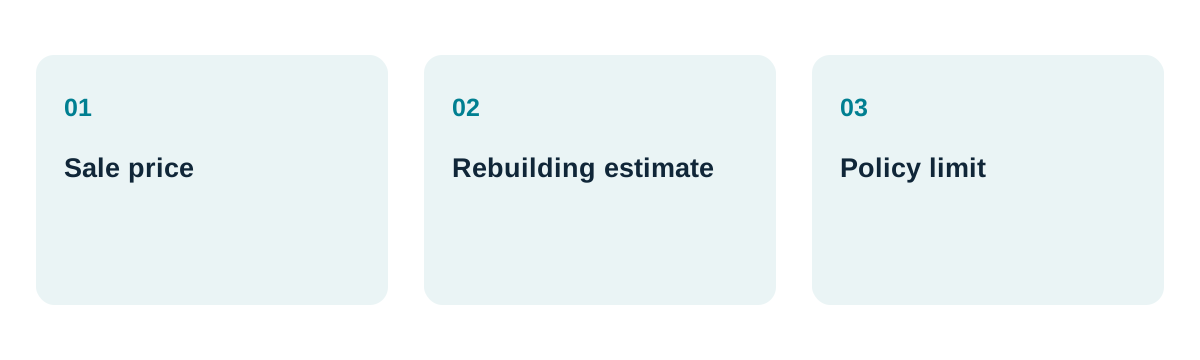
A commercial property's sale price, rebuilding estimate and policy limit answer different questions. Before accepting a renewal proposal, ask what the building limit is based on and which property details were used.
Check the facts behind the number
A commercial property's sale price, rebuilding estimate and policy limit answer different questions. Before accepting a renewal proposal, ask what the building limit is based on and which property details were used.
This worksheet helps organize that conversation. It does not calculate the right limit for your building or replace an insurer's valuation process.
Keep three numbers separate
Record the purchase price or recent market valuation with its date and source. Record any rebuilding estimate separately, including who prepared it and the facts it used. Then record the proposed policy limit and the policy period.
Do not assume the three numbers should match. If they differ, ask for an explanation rather than selecting whichever produces the lowest premium. A sale may involve land and other business considerations that do not describe the work of rebuilding the insured structure.
Check the description before the calculation
Compare the address, square footage, number of buildings and construction details with current records. Note additions, major improvements and areas used differently from the prior year.
Make a list of uncertain information. A roof date from a seller's recollection should not be presented as a confirmed contractor record. Ask which missing facts the agent or insurer needs before relying on the estimate. Include separate structures and building features you want the agent to review. Do not quietly assume every item at the location is part of the same building amount.
Ask how the proposed contract values a loss
Minnesota Commerce explains replacement cost and actual cash value as different valuation approaches, with depreciation a key distinction. Ask which approach appears in the proposal and whether special terms apply to particular property.
Ask the agent to explain deductibles, limits and any insurance-to-value or coinsurance conditions in the actual contract. The worksheet should prompt a review, not suggest that selecting replacement cost guarantees every rebuilding expense is paid.
Use a short comparison record
For each proposal, keep a note of the building description, limit, valuation wording, important conditions and unanswered questions. Record when the agent explained a difference. Premium belongs alongside those facts, not in place of them.
For a fictional warehouse, an older estimate might omit a later addition. The first useful question is whether the current area and construction are correct. Simply increasing last year's number by an arbitrary percentage would not resolve that factual gap.
Bring the worksheet to the review
Ask BIG to review the proposed building limit with the property description and available valuation records. Share current policies and relevant updates through the existing commercial-review route.
Final limits, eligibility and terms depend on the property, policy and underwriting. Keep the completed comparison with your insurance records and revisit material changes with the agency. This article offers preparation questions, not a personalized determination that any amount is sufficient.
Sources
- Minnesota Commerce: Property Insurance (checked 2026-09-21)
- Travelers: Real Estate Insurance (checked 2026-09-21)
Related resources