Commercial Property · answer
What insurance should a Minnesota retail strip-center owner review?
Start with the building, tenants, rental income and landlord liability. A useful commercial property insurance review explains who occupies each unit, what has changed and what the owner is responsible for under the leases.
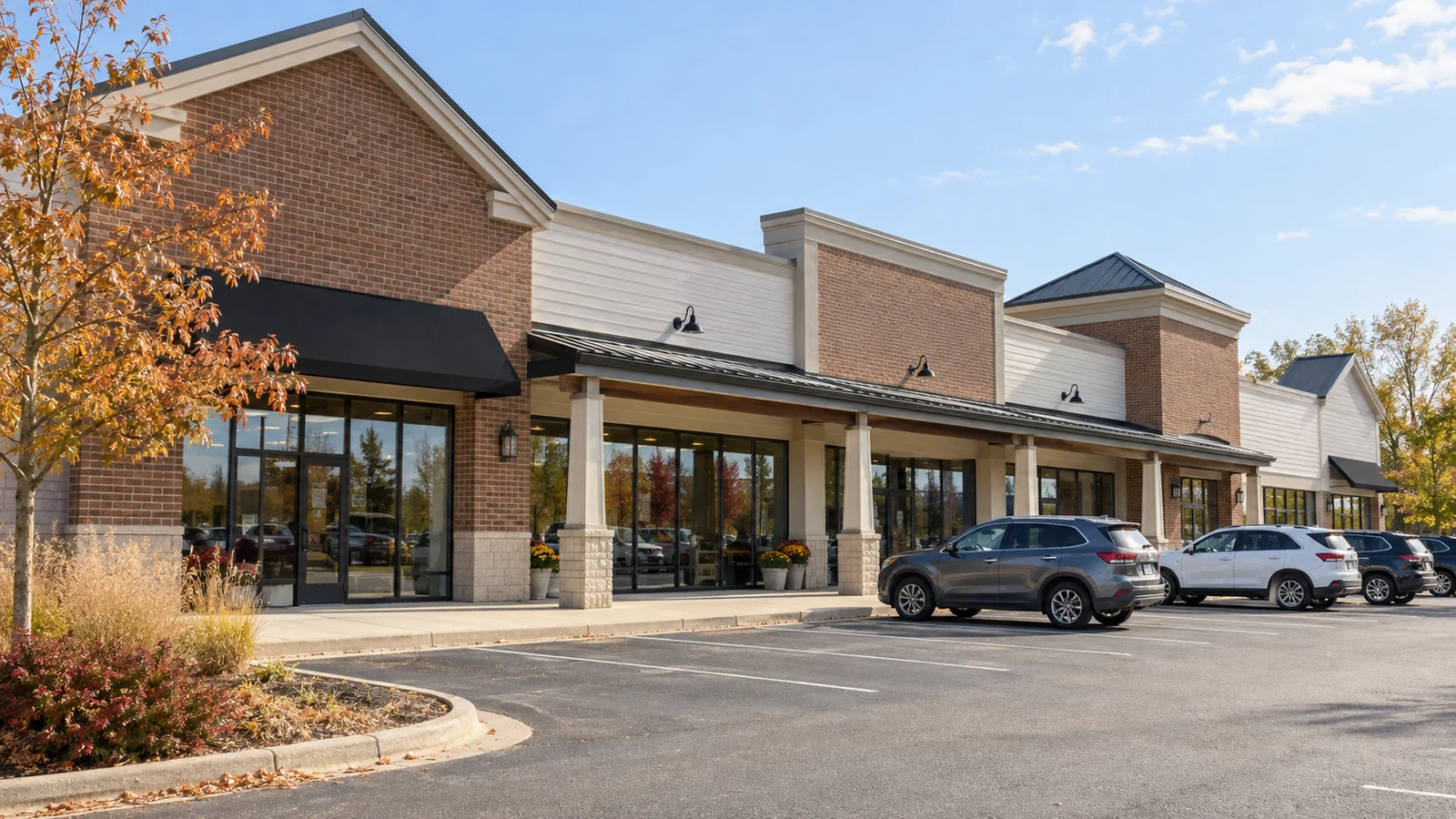
Owning a retail strip center means managing more than the building. A restaurant may share a roof with a salon, a small shop and an empty unit. The insurance review should describe the whole property, not just its address and purchase price.
Whether you are buying a building or reviewing a renewal, gathering the same facts for each quote makes the comparison more useful.
Start with the building and the work done to it
List the property address, year built, square footage and construction type. Gather the roof age and the dates of major electrical, plumbing and heating updates. Include sprinkler and alarm information where applicable.
Ask how the proposed building limit was developed. The sale price includes factors beyond rebuilding the structure, such as land and location. It is not automatically the right insurance amount.
Explain who occupies each unit
Prepare a tenant list showing the business type, occupied area and any vacant space. Mention cooking, repair work, storage or other activities that change how a unit is used. Tell the agent about planned tenant changes and building work.
A quote based on last year's tenant list may not describe today's property. Ask whether a change in occupancy needs to be reported before the next renewal.
Review these parts of the insurance proposal
- Building coverage: the insured structures, limits, valuation and covered causes of loss.
- Deductibles: the amount the owner pays, including any separate wind or hail deductible.
- Roof terms: how age, condition or policy wording affects a covered roof loss.
- Rental income: whether and how lost rents may be covered after covered property damage.
- Landlord liability: how the policy addresses covered claims involving the owner's premises and responsibilities.
- Additional terms: exclusions, vacancy conditions and any lender requirements.
Ask the agent to explain the important differences in plain language. A lower premium can come with a larger deductible or narrower coverage.
Keep landlord and tenant responsibilities clear
Read the insurance sections of the leases alongside the policies being proposed. Identify who is responsible for building improvements, glass, signs, equipment and common areas. Ask your agent and legal adviser about requirements you do not understand.
A tenant's insurance certificate does not show every policy term. If a lease requires additional insured status or another special provision, ask what evidence is needed to confirm it.
Include the rent records
Provide the rent roll, occupancy information and any documents the insurer requests. Ask how the proposed policy handles a period when covered damage makes space unusable, including applicable waiting periods and time limits. Lost rent after any business setback is not automatically an insured loss.
Bring a complete starting package to BIG
Send the current insurance documents, renewal date, property details, tenant list, recent building updates and any available loss history. Include lease or lender insurance requirements that need to be addressed. Use a secure method for documents containing private information.
Burch Insurance Group can review your Minnesota commercial property insurance needs and discuss available options for your retail building. Final eligibility and terms depend on the property, insurer and underwriting review.
Frequently asked questions
Does the tenant's business insurance cover my strip-center building?
Do not assume it does. Compare the landlord and tenant responsibilities in the lease with the actual insurance documents. Building coverage and insurance for a tenant's own property can serve different purposes.
Can one commercial property quote be cheaper because it covers less?
Yes. Compare limits, deductibles, roof terms, rental-income provisions and exclusions along with the premium. Ask for a clear explanation of material differences.
Sources
- Minnesota Department of Commerce: business property insurance (checked 2026-09-18)