Commercial Property · answer
What should a Minnesota warehouse owner compare before buying commercial property insurance?
Compare the same building facts, valuation basis, covered property, business-income assumptions and exclusions before comparing price. Warehouse use also matters: storage height, tenant operations, forklifts, battery charging, chemicals, refrigeration and fire protection can change the questions an insurer asks.
A warehouse quote is only comparable when every insurer receives the same facts. Start with the building, then document what happens inside it. A policy for a quiet storage building is not the same decision as one for cold storage, chemical distribution or a multi-tenant warehouse.
Build one property schedule
Prepare a schedule that every market can use:
- Street address, year built, square footage and construction type
- Roof type, age and documented updates
- Electrical, plumbing and heating updates
- Fire alarms, sprinklers and the latest inspection information you have
- Tenant names and exact operations, including any vacancy
- Building, fixtures, equipment and inventory values, with seasonal peaks noted
- Current policy, deductible, endorsements and loss runs
- Lease requirements and lender requirements
Photos of the exterior, roof, electrical panels, mechanical areas and warehouse floor can help resolve basic questions. Do not guess at values or building systems; label anything that still needs confirmation.
Separate the building from the property inside
The Minnesota Department of Commerce lists the building, inventory, equipment, machinery, computers, records, signs and other assets as different kinds of business property. Identify who owns each category. A landlord, tenant and warehouse customer may each have a different insurable interest and a different contract. Do not assume the building policy automatically covers a tenant's inventory or a customer's stored goods.
Review BIG's commercial property services and read the Minnesota commercial property cost guide before requesting comparisons.
Compare coverage terms before premium
Put these items side by side:
- Covered property and the stated limits
- Replacement cost versus actual cash value
- Deductibles, including any separate wind or hail deductible
- Causes of loss and exclusions
- Business-income or rental-income assumptions and waiting periods
- Ordinance or law terms for code-related rebuilding costs
- Equipment breakdown, spoilage or other endorsements only where the operations create that need
The Minnesota Department of Commerce explains that actual cash value reflects depreciation, while replacement cost is based on repairing or replacing with materials of similar kind and quality without a depreciation deduction. The right basis and limit depend on the property and policy.
Describe warehouse operations precisely
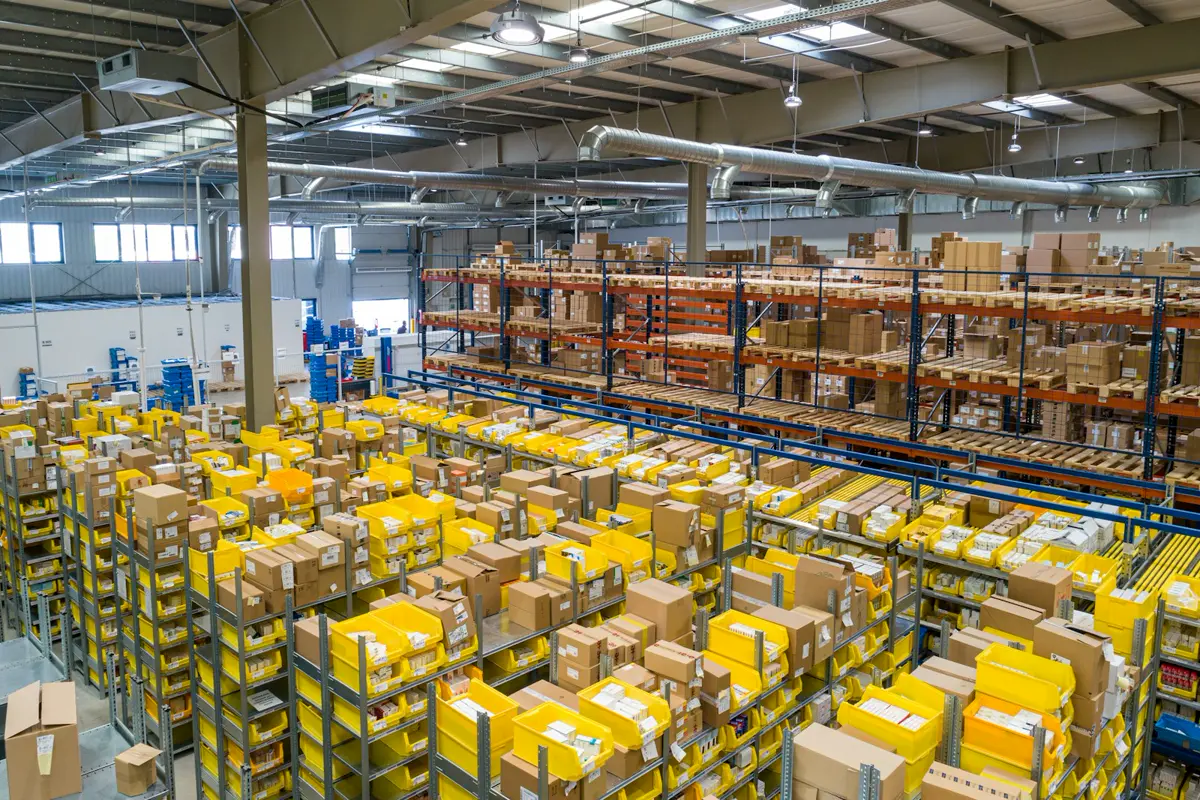
OSHA's warehouse guidance highlights material storage, racking, forklifts, battery charging, hazardous chemicals, refrigeration and emergency planning as distinct operating concerns. Insurance underwriting is separate from workplace-safety compliance, but the same facts help an agent understand the risk. Disclose what is stored, how high it is stored, whether customers' goods are present, how forklifts are fueled or charged, and whether refrigeration or hazardous materials are involved.
Check flood exposure separately
Do not treat a commercial property quote as proof that flood is included. FEMA's National Flood Insurance Program says flood damage is not typically covered by standard commercial property insurance. Use FEMA's current map tools for the address, then ask how building and contents coverage would respond. Flood limits, eligibility and terms must be confirmed for the specific property.
A practical next step
Send one complete schedule to the agent, identify every unknown and request a comparison that shows differences instead of hiding them inside the premium. BIG can review the current policy and property facts through the existing commercial insurance form. Coverage availability and terms vary by carrier and underwriting; this guide does not determine the coverage any owner should buy.
More detail
Documents to gather before requesting warehouse quotes
- Current declarations and endorsements
- Five years of currently available loss runs, or the period requested by the market
- Building valuation or recent reconstruction estimate
- Tenant schedule and leases
- Roof, electrical, plumbing, sprinkler and alarm records
- Inventory and equipment values, including seasonal peaks
- Photos and any recent inspection reports
Questions for a multi-tenant warehouse
Confirm who controls common areas, maintenance, fire protection and tenant improvements. List every tenant's actual operation and storage. Ask how vacancy, a change in use or a new tenant must be reported. Compare lease insurance requirements with the proposed policy instead of assuming they match.
Frequently asked questions
Does a warehouse owner's policy cover a tenant's inventory?
Do not assume it does. Ownership, lease language and policy terms determine whose property is insured. Identify building, tenant, equipment and inventory interests separately and confirm each proposed policy.
Is the lowest warehouse insurance quote the best comparison?
Not unless the limits, valuation basis, covered property, deductibles, exclusions and income assumptions are also comparable. A lower premium can reflect materially different terms.
Why do warehouse storage and tenant operations matter?
They describe the actual risk. Storage height, racking, forklifts, battery charging, refrigeration and hazardous materials can affect loss-prevention and underwriting questions.
Is flood included in warehouse property insurance?
Flood damage is not typically covered by standard commercial property insurance. Check the specific policy and evaluate a separate flood option using current property and map information.
Sources
- Minnesota Department of Commerce, Property Insurance (checked 2026-09-14)
- OSHA, Warehousing: Hazards and Solutions (checked 2026-09-14)
- National Flood Insurance Program, commercial coverage information (checked 2026-09-14)
- FEMA Flood Map Service Center (checked 2026-09-14)