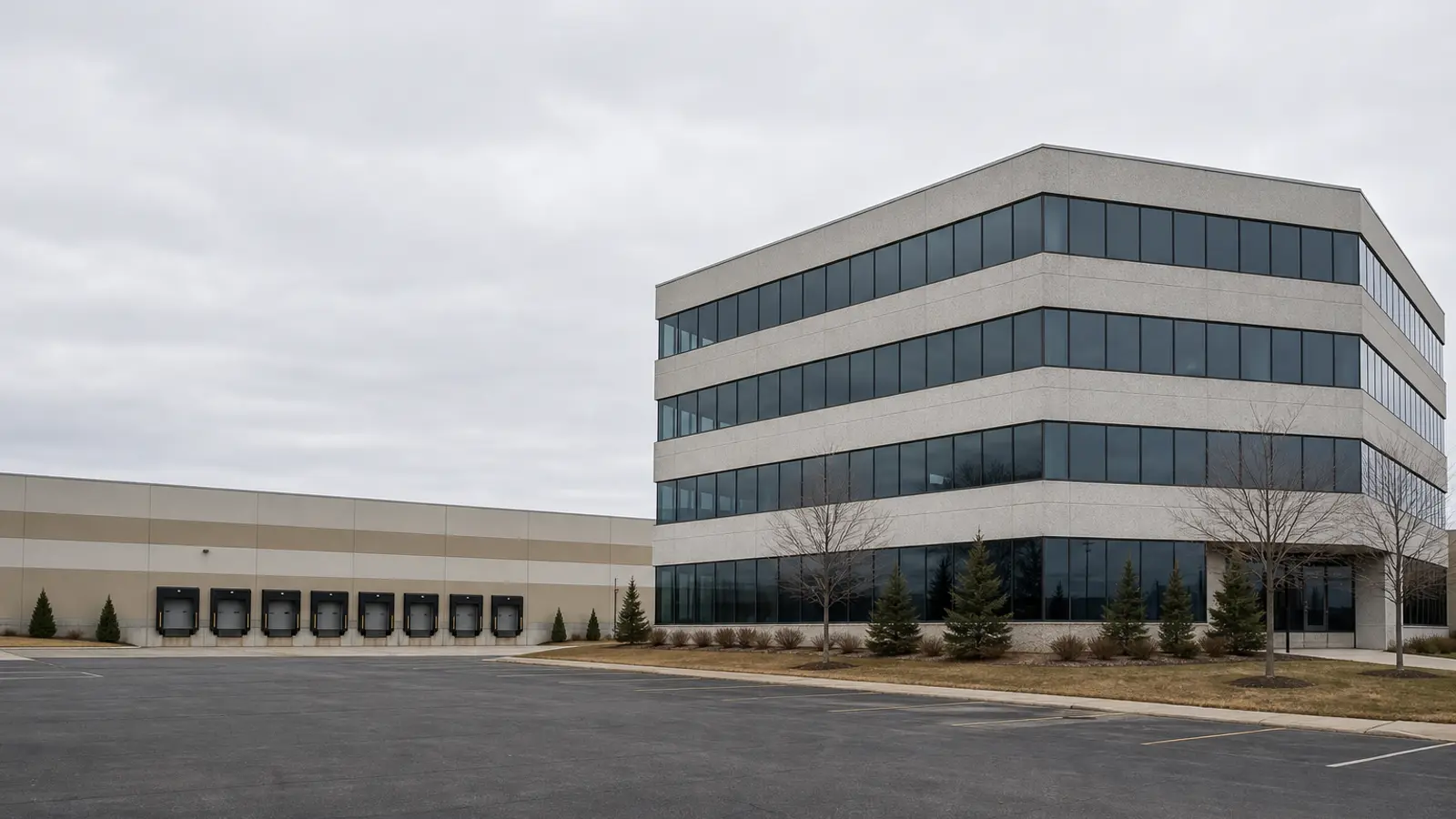
Office building attached to a warehouse with loading docks

Commercial property

Commercial property insurance for buildings, warehouses and retail centers

When you own a building or lease space for your business, you want to know what the insurance will cover before something goes wrong. Tell BIG about the property and how you use it, and we can help you compare the coverage, limits and deductibles.

BIG maintains its Edina, Minnesota location and serves clients in Minnesota and New Mexico by phone and online. Founder Darren Burch is based in Albuquerque.

What should you compare before choosing commercial property insurance?

Two quotes can look similar until you get into the details. We can walk through them with you so you understand what you are buying before comparing the premium.

  • The limits for the building and the business property inside it.
  • How a loss is valued, including replacement cost or actual cash value.
  • The deductibles, including any separate wind or hail deductible.
  • Business-income or rental-income coverage after a covered loss.
  • How the policy treats empty space, renovations and tenant changes.

Buying, renewing or changing a tenant?

Bring your current policy and renewal date, or the closing date and lender requirements if you are buying. Tell us about the tenants, roof and work you have planned so the review reflects what is happening at the property.

For New Mexico owners, start with our building purchase guide or tenant-change guide. You can also learn about working with BIG in Albuquerque.

Should the building limit match the purchase price?

The purchase price alone does not tell you what it would cost to rebuild. We can review the construction, building details and valuation terms with you. Our building-values worksheet helps you gather the information.

Does the landlord's policy cover a tenant's equipment?

Do not assume it does. Tell us who owns the equipment and improvements, and share the lease so we can review the coverage responsibilities.

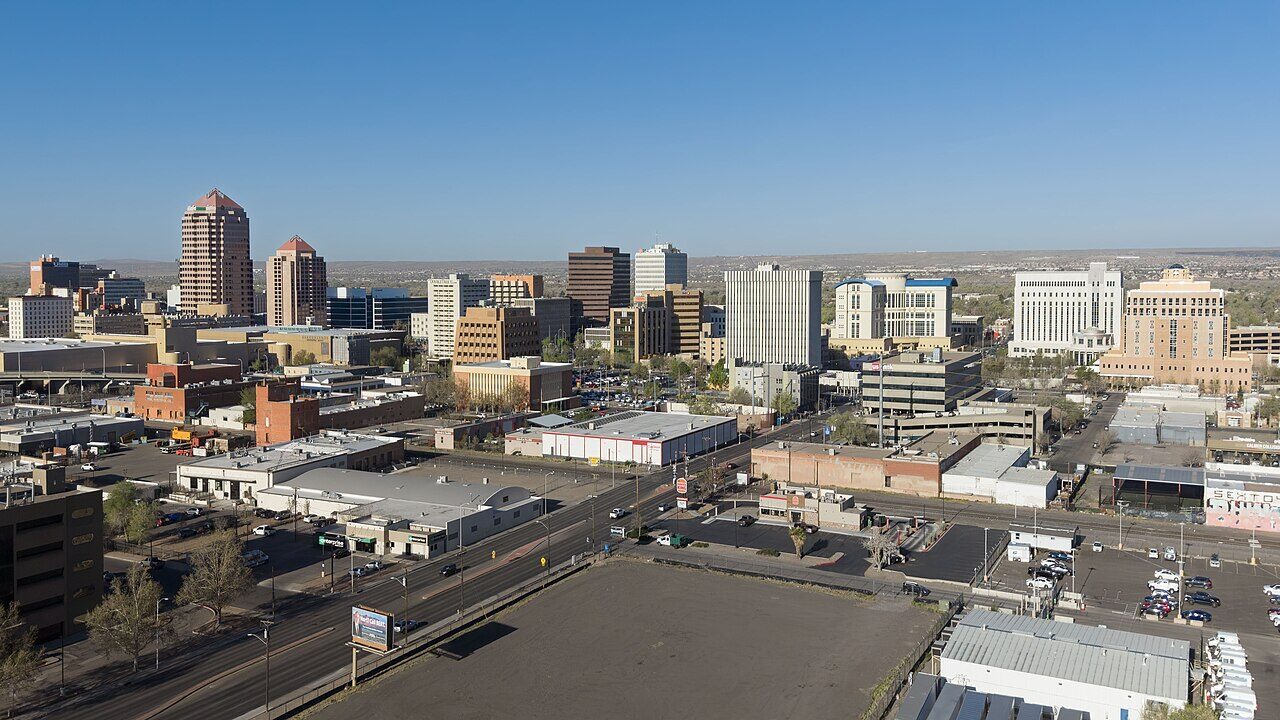
Downtown Albuquerque skyline, New Mexico
Albuquerque skyline. Photo: Quintin Soloviev, CC BY 4.0. Sized for this page.
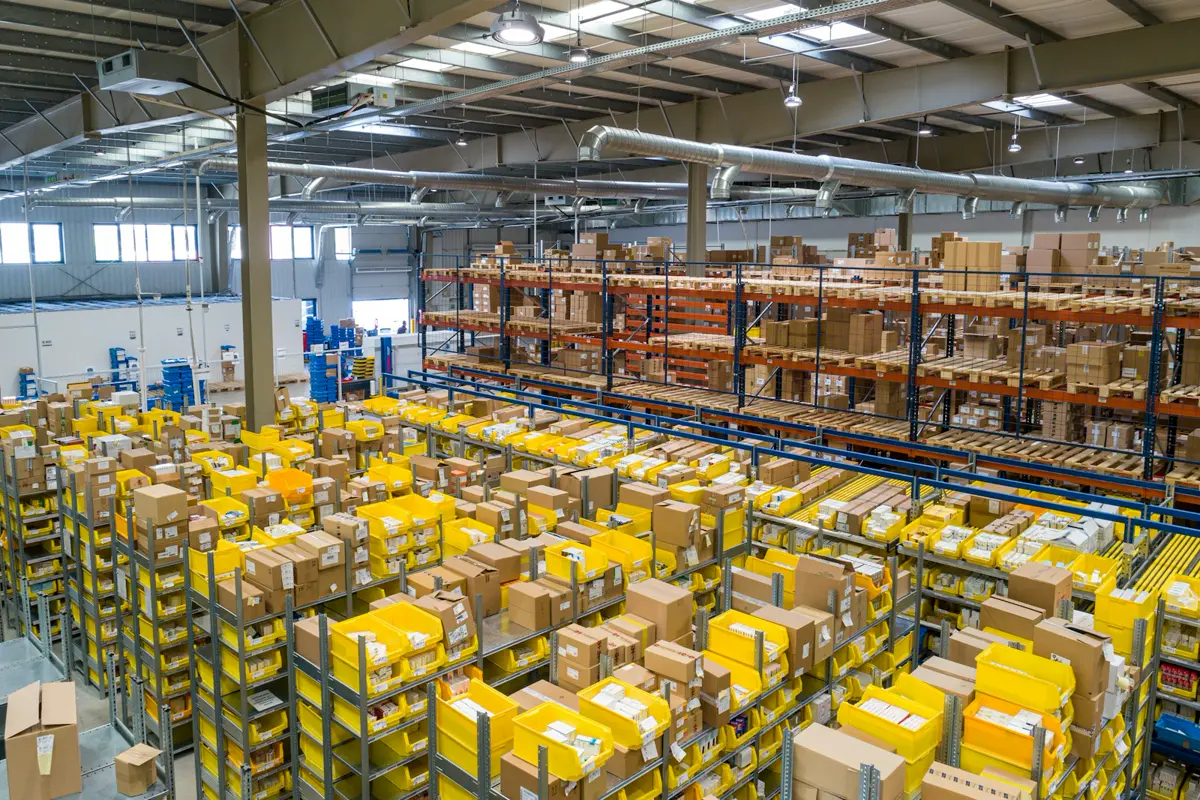
Organized warehouse aisles with racking, bins, and pallet storage

Why this coverage matters

The building is only part of the risk

A fire, storm, or other covered event can damage the structure and the assets that keep the business running. Inventory, equipment, tenant improvements, and records often represent as much exposure as the walls around them.

If the property cannot be used while repairs are underway, lost rent or operating income can follow. A review looks at the building, the contents, and the time it would take to reopen, then matches those values to available markets.

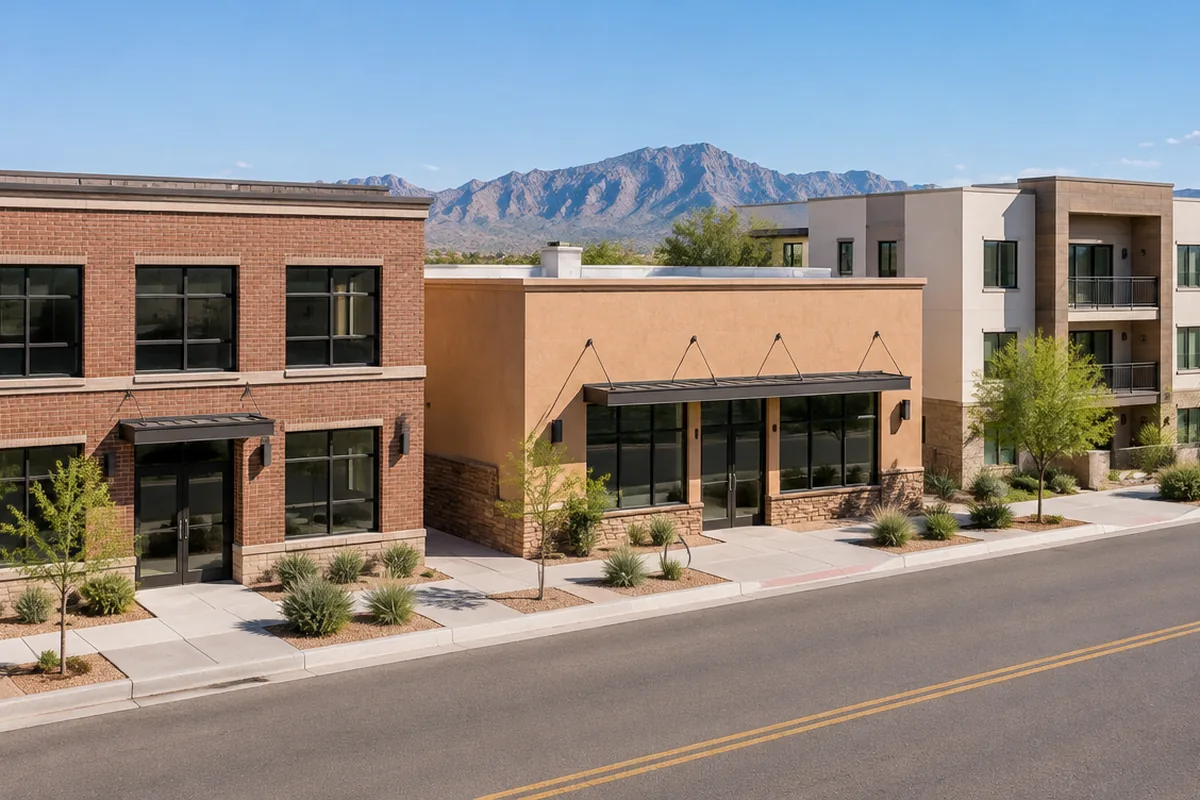
Minnesota retail property owners

What should a strip-center owner bring to an insurance review?

Start with a current tenant schedule, leases, building values and the existing policy. Compare the same facts and coverage terms before comparing premium.

Separate landlord and tenant property

List building ownership, tenant improvements, equipment and inventory separately. Minnesota Commerce cautions tenants not to rely on a landlord's policy for their business property. Review the lease alongside each policy rather than assuming responsibilities match.
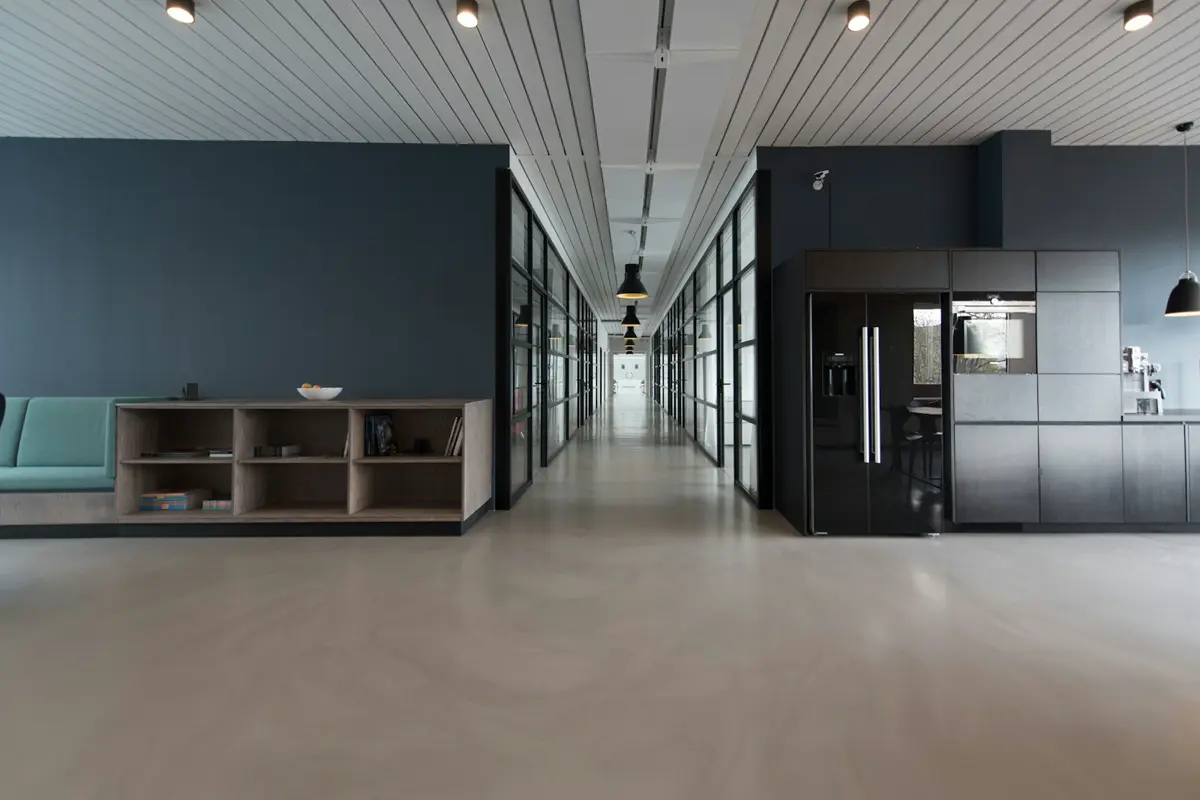
Document the whole center

Bring tenant uses, occupied and vacant units, roof and system updates, and current rent records. Identify who maintains sidewalks, parking areas and shared spaces. Ask how tenant changes or vacancy should be reported, and discuss liability exposures separately from building coverage.

Compare more than the building limit

Ask about replacement cost versus actual cash value, deductibles, exclusions and rental-income terms. Confirm the covered causes of loss, waiting period and restoration period instead of assuming every interruption is covered.

Next step: gather those records, mark any unknowns and use the existing commercial property review form. For a warehouse, use our warehouse comparison guide; for pricing factors, see Minnesota commercial property insurance costs.

Reference checked September 25, 2026: Minnesota Commerce property insurance guidance. This guidance explains coverage considerations. Coverage depends on the actual policy and underwriting.

Coverage overview

What a commercial property review usually includes

These are the parts of the risk we walk through with owners, managers, and boards. Limits and forms vary by property and carrier.

Commercial office and warehouse building exterior
01

The building

Coverage for the physical structure, including office buildings, warehouses, and other commercial construction. The review looks at occupancy, construction type, updates, and replacement cost, not just the mortgage amount.

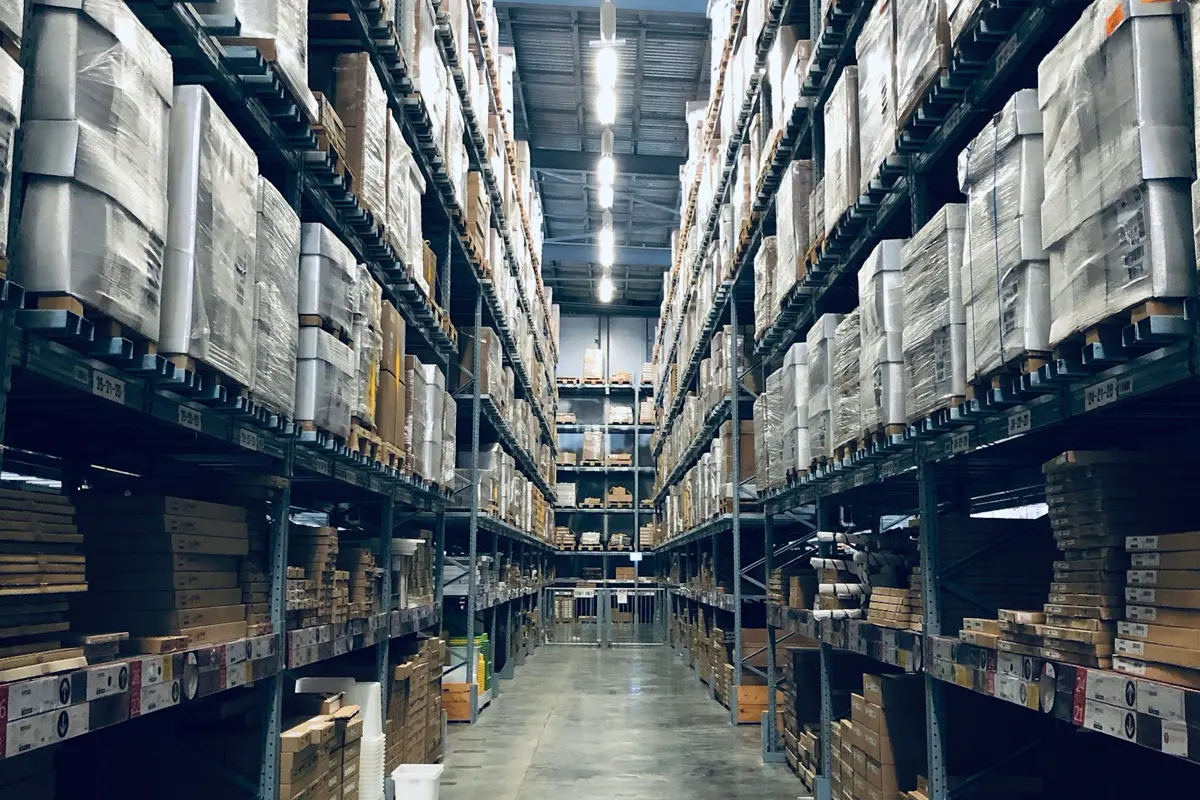
Warehouse aisle lined with pallet racking and boxed inventory
02

Business personal property

Equipment, inventory, furniture, and other business assets inside the premises. This is separate from the building and is often the piece that is understated on a statement of values.

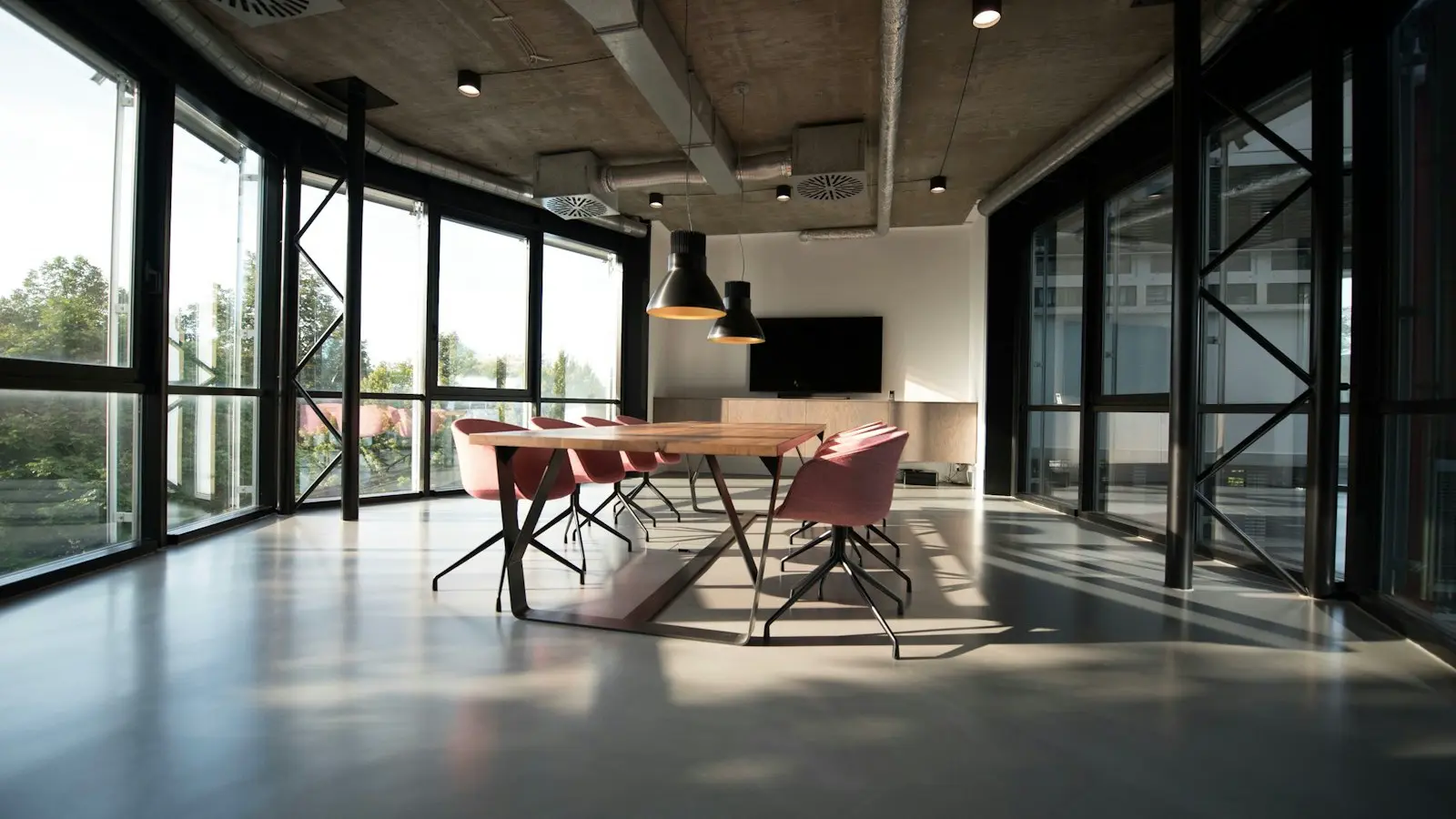
Modern office corridor with glass-walled workspaces
03

Business interruption

Income or rental value that continues after a covered loss makes the property unusable. The question is how long operations would be down, and whether extra expense to reopen faster is part of the plan.

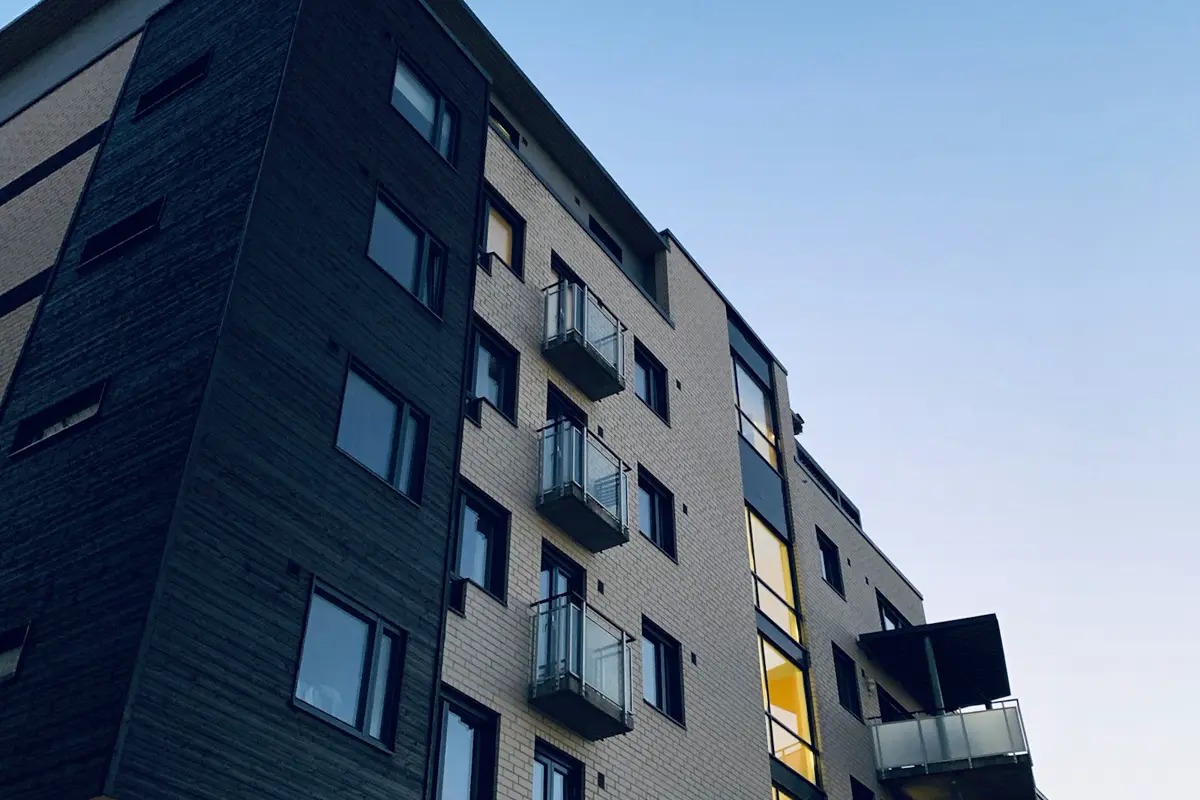
Multi-story condominium building with balconies and mixed facade materials
04

Association and office properties

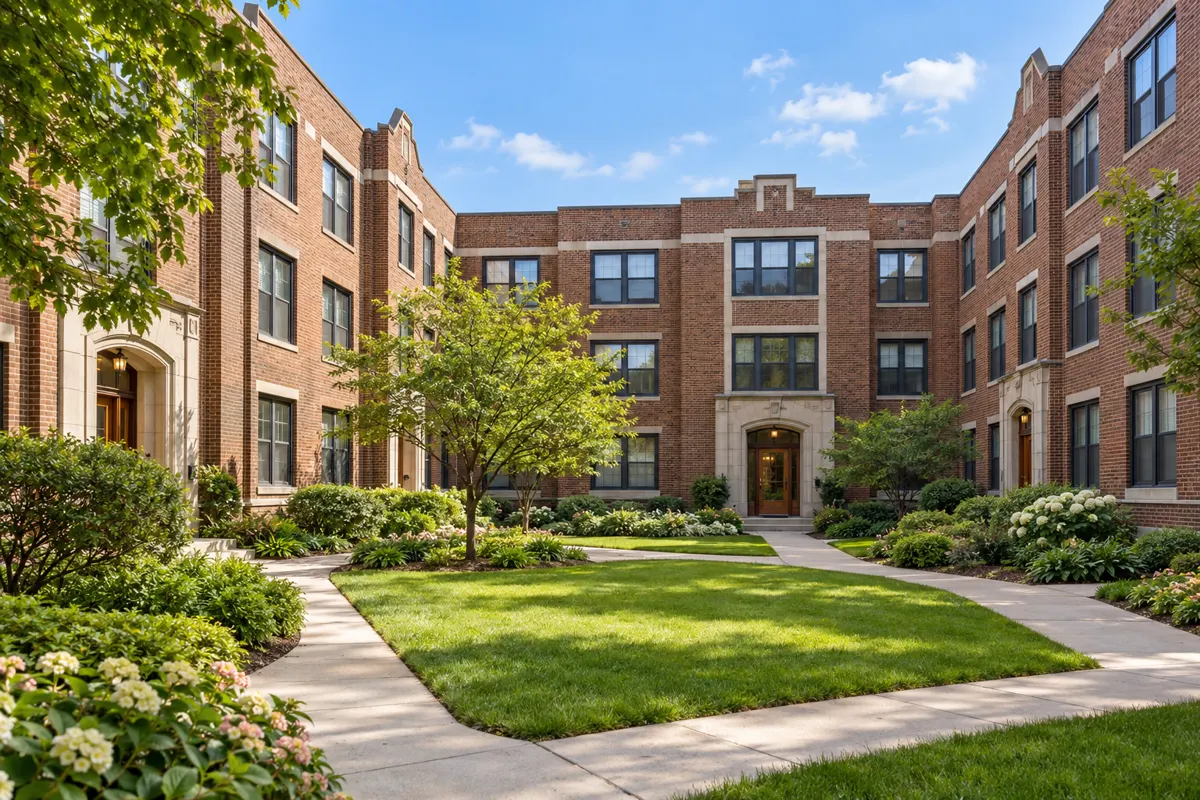
HOA and condo master policies, and office buildings with tenants, need a clear read of what the association covers versus unit owners or tenants. Boards that need a dedicated Minnesota association review can start on the HOA and condo insurance page.

Details

Explore coverage details

Open a section for exclusions, certificates, underwriting information, and related coverage. The main points of the review stay above.

What the coverage generally addresses

What does commercial property insurance generally address?

It generally covers the building, the business personal property inside it, and lost income when a covered event interrupts operations. The exact perils, limits, and deductibles depend on the policy and the property.

Equipment breakdown is often added when mechanical or electrical systems are material to the operation. Flood and earthquake are typically separate.

Common exclusions or gaps

What is usually excluded or left as a gap?

Standard commercial property policies typically do not cover flood or earthquake. Equipment breakdown often needs to be added. Liability for injury to others is a separate coverage. Review the form, endorsements, and any lender or board requirements before assuming a loss is covered.

Certificates and additional insured requests

When is a certificate of insurance or additional insured request needed?

Lenders, landlords, and association boards often ask for a certificate as proof of current coverage. A certificate describes the policy; it does not change it. If a contract also asks to add a party as an additional insured, that is a coverage change and may require carrier approval.

Existing clients request certificates through certificates of insurance.

Information typically needed for a review

What information is typically needed for a review?

Ownership or occupancy details, construction and occupancy of the building, square footage, updates, current values for the building and contents, loss history, and any lender, board, or lease insurance requirements.

Related coverage

Injury or damage to others is general liability. A package for some smaller operations is on business insurance. Association boards can use the dedicated Minnesota HOA and condo page rather than treating this page as a substitute.

Service area, licensing, and office

Where is the office and what is the phone number?

Our Edina location and mailing address is 5021 Vernon Ave S #161, Edina, MN 55436. We work with clients by phone and online. Call (612) 712-6407 or request a review online.

Do you place commercial property insurance outside Minnesota?

Minnesota is our home market. Coverage is placed through available carrier markets where the agency is licensed, including New Mexico.

Excellent experience working to get the optimal insurance coverage for my company. Timely and effective communication and available for consultation. I referred my associate to Burch and highly recommend to all future customers.

Pine Southwest, LLC Commercial business
  • Direct access to a service team When you call, you reach people who handle certificates, coverage questions, and claims follow-up.
  • More than one commercial market We review available carrier options for the property rather than starting from a single captive product.
  • Complex and harder-to-place risks Older buildings, mixed occupancies, and association properties are reviewed with the same attention as a straightforward office.

How a review works

Three steps from first call to options

Tell us about the property

Ownership, occupancy, construction, values, and any lender or board requirements.

We review the risk and markets

The team looks at the exposure and available commercial markets for that property.

A BIG team member follows up

You receive options, questions, and next steps from a person who stays on the account.

Edina, Minnesota | Serving Minnesota and New Mexico

Request a commercial property review

Share the building, occupancy, and timing. We will review the risk and follow up with next steps.

Request a Quote / Review