Commercial Property · answer
New tenant or vacant unit? What to tell your strip-center insurance agent
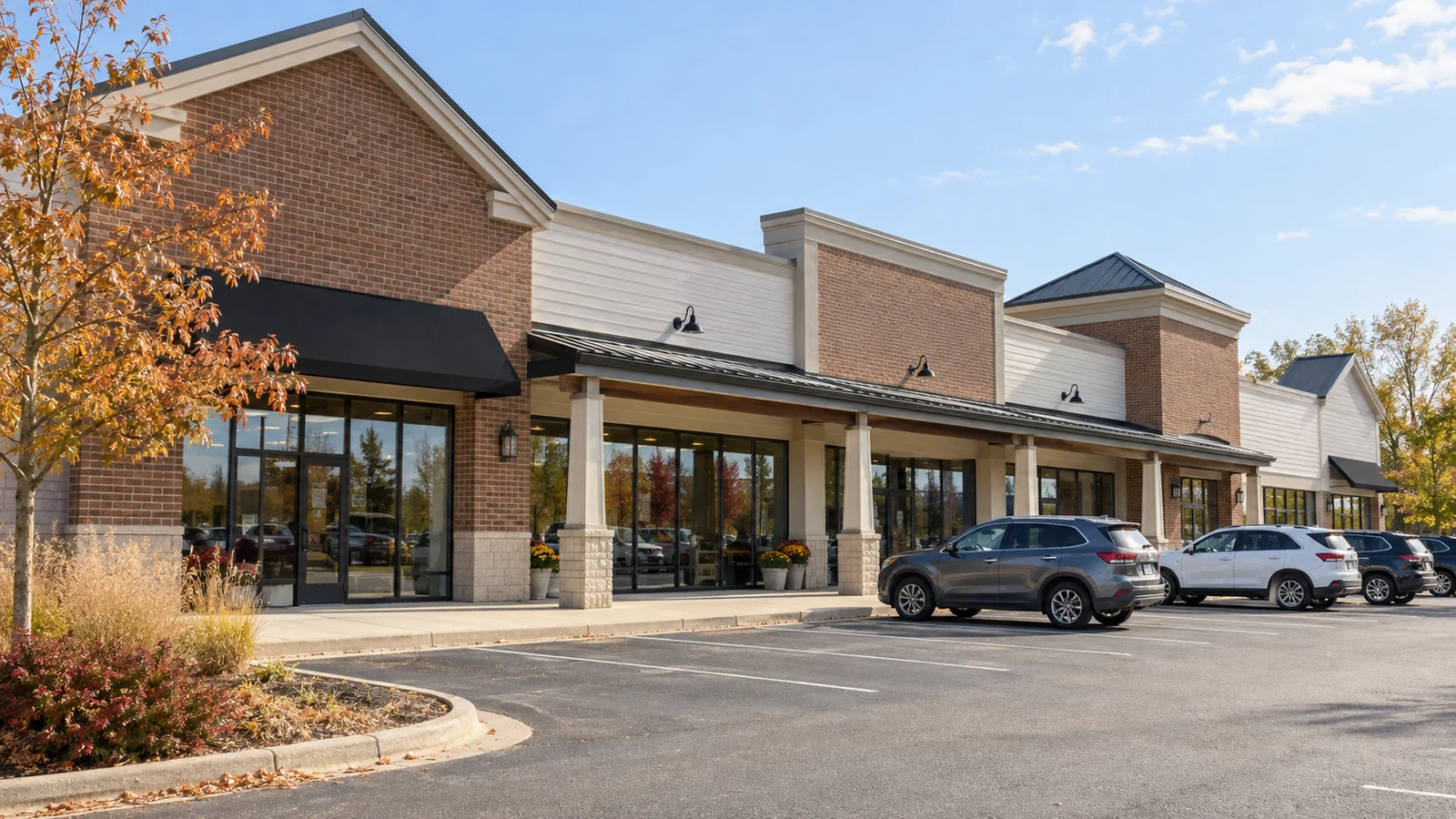
A tenant leaves a strip center. Another tenant wants to use the space for a different business. The address has not changed, but the building's use may have.
Tell the agent what changed, not just who moved out
A tenant leaves a strip center. Another tenant wants to use the space for a different business. The address has not changed, but the building's use may have.
Discuss the change with your insurance agent promptly. Do not assume you can wait until renewal or that one vacancy rule applies to every policy. The agent needs the actual wording and current facts to advise on the next step.
Prepare a before-and-after tenant list
For each unit, note the previous business, current use, occupied area and relevant dates. Identify space that is empty, used only for storage or being renovated. Include what you know about the next tenant without presenting an unconfirmed plan as a signed arrangement.
For a new tenant, describe the work in plain language. A shop, restaurant, office and repair operation can involve different activities even when they occupy similar square footage.
Describe the building work too
Tell the agent about planned construction and who is responsible for it. Include changes to cooking, electrical use, storage or public access. If a contractor has provided a work description, share it through the agency's approved document route.
Also explain who checks the empty space and how the property is being maintained. Those facts help the agent ask the right questions; they do not establish that a particular security routine satisfies the policy.
Review responsibility under the lease
A new lease can change who is responsible for improvements, signs, glass or equipment. Ask your agent and legal adviser to review unclear requirements. A tenant's certificate is a starting document, not a full reading of every policy condition.
Minnesota Commerce cautions tenants not to assume the landlord insures their business property. The same distinction matters when the owner and tenant are discussing which items belong in each review.
Ask specific questions about the policy
Ask how the contract defines vacancy or unoccupancy, what facts affect that definition and whether notice or another action is required. Ask whether the proposed tenant or renovation changes eligibility or terms. Avoid relying on a universal number of days found online.
If rent stops because a tenant simply leaves, do not assume that is the same as insured rental-income loss after covered property damage. Ask the agent to explain the relevant provisions.
A practical example
A fictional owner says: "Unit 3 became empty last week. A prospective tenant plans food preparation, but the lease is not signed. Work may begin next month." That gives the agent facts and uncertainties to review without claiming that the new use is already approved.
Send BIG the tenant-change summary, current policy and relevant lease or work documents. We can discuss the change and available next steps. A review request does not itself change coverage, and market acceptance must be confirmed.
Sources
- Minnesota Commerce: Property Insurance (checked 2026-09-21)
- Travelers: Real Estate Insurance (checked 2026-09-21)
Related resources