Commercial Property
Buying an apartment building? Arrange insurance before closing
Buying an apartment building in Minnesota or New Mexico? Compare building, rental income, roof and lender requirements with Burch Insurance Group.
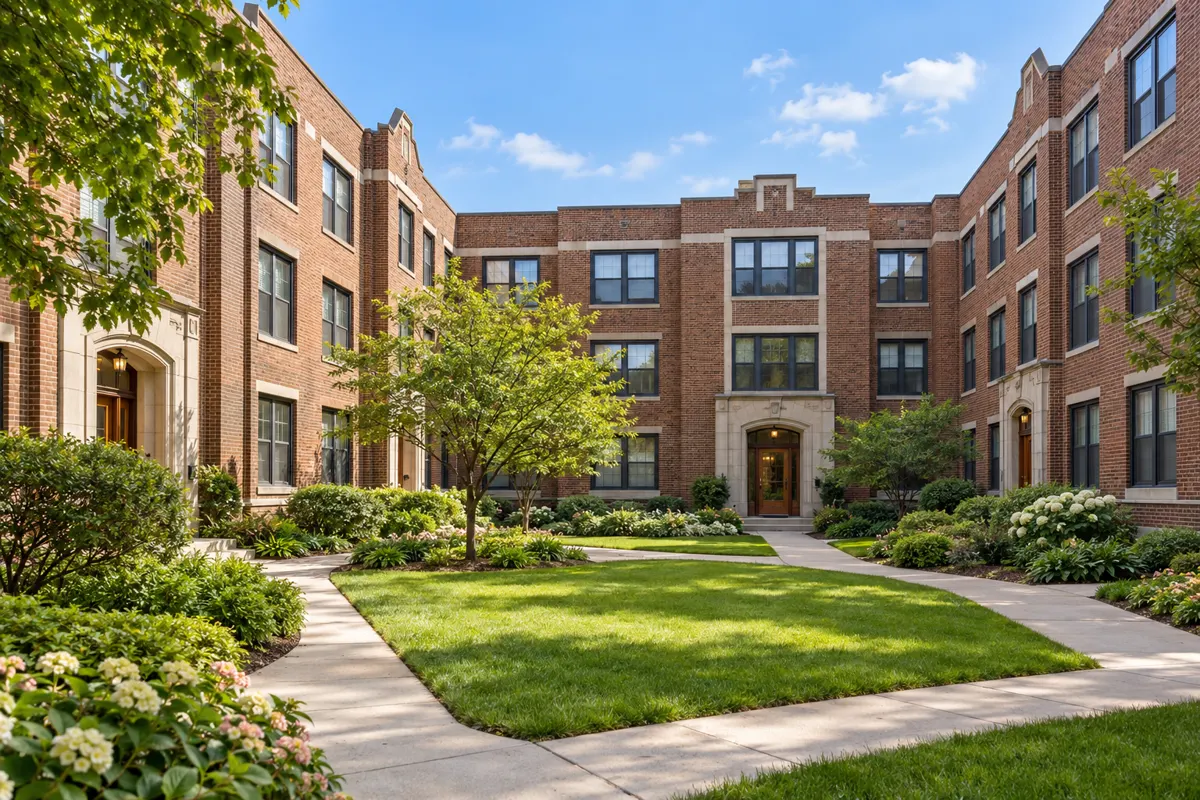
If you are buying an apartment building, start the insurance comparison while you still have time to resolve questions about the roof, building systems, occupancy and planned repairs. The lender's insurance checklist is one part of the job. You also need coverage that fits the property you will own and the rental income you expect it to produce.
Burch Insurance Group helps apartment building buyers in Minnesota and New Mexico compare insurance across a broad range of markets. Give us the property address, expected closing date and what you plan to change after purchase. We can help organize the submission, compare available terms and coordinate the insurance information needed for closing.
What insurance does an apartment building owner need?
An apartment owner usually needs a coordinated review of building coverage, premises liability and rental income protection. Depending on the property and ownership structure, the review may also include equipment breakdown, ordinance or law, water-related coverage, excess liability and other exposures. The right arrangement depends on the building and the policy forms available.
Your tenants' renters policies do not insure your building. The seller's policy should not be assumed to transfer to you. And a contractor's certificate of insurance does not replace coverage for the property you are buying.
For a property with several buildings, confirm that every building and relevant structure is scheduled correctly. Garages, maintenance buildings, pools and other amenities can create both property and liability questions.
Give the broker the acquisition story, not just the address
A fully occupied apartment building with recent updates presents a different submission from a partly vacant property scheduled for extensive renovation. Explain the transition before asking for a final price.
The useful starting information includes:
- Your purchasing entity, ownership interests and expected closing date.
- Unit count, building count, square footage, construction type and current occupancy.
- Roof age and materials, plus documented electrical, plumbing and heating updates.
- Current rent roll, anticipated rental income and any commercial tenants.
- Inspection findings, required repairs and the scope and timing of planned renovations.
- Available loss history and the lender's written insurance requirements.
Missing information does not mean you should delay the first conversation. Tell BIG what is known and what is still being investigated. That lets us identify the questions most likely to hold up the insurance decision.
Purchase price is not the building limit
The purchase price may reflect land, location, leases and investment expectations. The building insurance limit addresses a different question: what amount and valuation basis are appropriate for the insured structures?
A low purchase price does not necessarily mean a low rebuilding cost. Conversely, copying the seller's limit without checking it can carry an old assumption into your new policy. Ask how the proposed value was established and whether coinsurance or other valuation conditions apply.
Replacement cost and actual cash value also produce different claim outcomes. A proposal can show a substantial building limit while settling certain roof losses on a different basis. Read the roof terms along with the building valuation.
Compare these terms before choosing the cheaper quote
| Item | What to confirm before closing |
|---|---|
| Building and roof | Covered locations, valuation basis, roof settlement terms and any relevant exclusions |
| Deductibles | Dollar or percentage amount, what value a percentage uses, and whether it applies per building or occurrence |
| Rental income | Income measure, waiting period, limit or time period, and the conditions that trigger payment |
| Ordinance or law | Whether coverage addresses undamaged portions, demolition and increased construction cost, with what limits |
| Water exposures | Separate treatment of backup, flood and other water losses, rather than one vague promise of “water coverage” |
| Liability | Ownership entity, property operations, limits and any excess coverage requirements |
| Renovation or vacancy | Whether the insurer has accepted the actual occupancy and planned work |
Business income or rental value coverage generally depends on the policy's covered cause of loss and other conditions. It is not a promise to pay for ordinary vacancy, unpaid rent or every delay in leasing.
Plan for the first months of ownership
Suppose you are buying a 24-unit building, keeping 18 units occupied and renovating six. The insurance conversation should include the occupied units, the work area, contractor access and the timing of each phase. A standard occupied-building quote may not address the project as intended unless the insurer has reviewed it.
Tell BIG about changes expected immediately after closing, including a new property manager, temporary vacancy, major roof work or a change in use. This helps avoid arranging coverage around yesterday's building operations.
Coordinate closing without confusing a quote with coverage
Ask the lender for its requirements early enough to compare them with the proposed policy. Confirm the correct mortgagee information, named insured, effective date and required evidence of insurance. Requirements vary by lender and loan program.
A quote, an application and a request to bind are different stages. Before relying on insurance for closing, obtain confirmation from the agency that coverage has been bound, including the effective date and any outstanding conditions.
Where can I compare apartment building insurance?
BIG can help you compare available options for an apartment acquisition in Minnesota or New Mexico. Our role is to bring the building's condition, income and purchase timeline to a broad spectrum of markets, then explain the differences that matter to your decision.
Start your apartment building insurance review, or call 612-712-6407. Include the address and closing date so we can start with the transaction in front of you.
For the wider transaction process, see our commercial building insurance before closing guide.
Sources
- Minnesota Commerce: property insurance (checked 2026-10-16)
- NAIC insurance guidance (checked 2026-10-16)
Related resources
Continue reading
Buying a commercial building in Minnesota: what to gather before closing
What does the agent need to review insurance for a pending purchase?
Read more →
Apartment Insurance Premium Increase? Compare Options
Compare apartment building insurance after a premium increase. BIG reviews available markets, roof terms, deductibles and rental income coverage.
Read more →
Vacant Commercial Building Insurance
Compare insurance while a commercial building awaits renovation or tenants. BIG helps owners coordinate vacancy, construction and return to occupancy.
Read more →