Commercial Property
Insurance for a vacant commercial building before renovation or lease-up
Compare insurance while a commercial building awaits renovation or tenants. BIG helps owners coordinate vacancy, construction and return to occupancy.
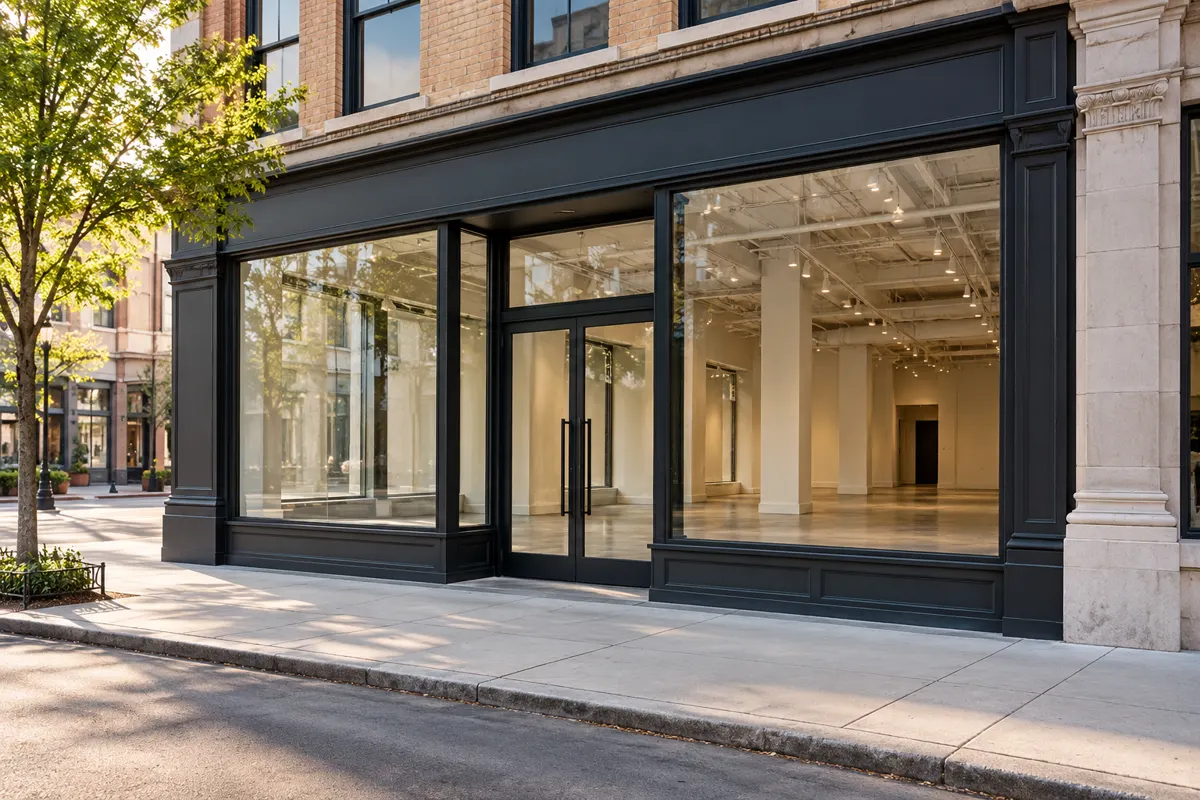
A commercial building can be a sound investment and still create a difficult insurance gap while it is empty. If you have purchased a vacant property, lost a tenant or are waiting to begin renovation, tell your agent how the building is being used now and what will happen next. An ordinary occupied-building policy should not be assumed to cover the entire transition on the same terms.
Burch Insurance Group helps commercial property owners in Minnesota and New Mexico compare insurance for vacant buildings, upcoming renovation work and the return to occupancy. Our broad market access gives us room to explore coverage that fits the current stage rather than describe a future occupied building as though tenants have already moved in.
Is a vacant commercial building still insured?
It may be, but the answer depends on the policy's definition of vacancy and its vacancy-related provisions. Policies can restrict certain losses or change claim payments after specified conditions are met. Do not rely on a universal day count or assume that a few stored items make a building occupied for insurance purposes.
An unoccupied building and a building defined as vacant under a policy are not always the same thing. Tell the agent when the tenant left, what remains in the building, whether any space is still operating and what activities are taking place. Ask how the actual policy applies to those facts.
Separate the waiting period from the construction period
Three months waiting for permits is different from three months of active renovation. Insurance selected for one stage may not suit the other.
| Stage | What the insurance review needs to address |
|---|---|
| Purchase of an already vacant building | Coverage effective at acquisition, current condition, security and the proposed use |
| Waiting for financing, permits or a contractor | Vacancy duration, inspections, utilities, property protection and interim coverage terms |
| Active renovation | Existing structure, new work, contractor exposures and any change in site protection |
| Leasing and partial occupancy | Tenant activities, occupied areas, continuing construction and policy permission |
| Normal operation | Permanent property, liability and income coverage based on the actual use |
These stages should be coordinated, not assumed to convert automatically. If your project schedule changes, let BIG know before the insurance arrangement becomes outdated.
What does vacant building insurance cover?
Available policies differ. Compare the insured property, valuation basis, covered causes of loss, deductibles and exclusions. Ask specifically about theft, vandalism, water damage and other concerns relevant to the building, rather than assuming all vacant-property offers provide the same package.
Premises liability also needs attention. An empty building can still expose an owner to injury allegations involving visitors, contractors or the property condition. Ask whether liability is included or needs a separate arrangement.
There may be inspection, security, heating, water shutoff or other protection requirements. Review what is required and what you can realistically maintain. A condition you cannot meet is a material issue even if the premium is attractive.
A documented protection plan helps explain the property
Give the broker a practical account of how the building will be maintained. Identify who checks it, how access is controlled, how alarms and fire protection are handled, and who responds when a problem is found.
For a Minnesota property, explain the plan for heat, water and freeze prevention during cold weather. For a New Mexico property, describe site-specific weather and security exposures rather than assuming every location has the same risk. The actual insurer requirements govern; a generic checklist is not a substitute for them.
Recent photographs, inspection reports and repair records can also help show the building's condition. If there is existing damage, disclose it. Insurance should not be presented as a way to finance repairs for damage that occurred before coverage began.
Compare the cost of the whole transition
The least expensive interim quote may not be the least expensive overall arrangement if it has significant minimum earned premium, fees or cancellation provisions. Ask what happens if a tenant moves in sooner than expected or construction is delayed.
For a simple example, an owner expecting a two-month vacancy may be comparing policies with very different refund terms. The annual quoted premium alone does not tell that owner what the short period will cost. Have the actual terms explained before deciding.
Also ask whether a material change in use will require new underwriting or a different policy. Do not assume vacant-building coverage will simply become builders risk when demolition starts.
What should I send BIG?
Start with the property address, ownership entity, current insurance, date the building became vacant and expected next use. Include square footage, construction type, roof and system information, photographs if available, and the proposed renovation or lease-up timeline.
If you are still deciding between a renovation and a new tenant, say so. We can review the known facts and identify what needs to be revisited as the plan develops.
Ask BIG to review a vacant commercial building, or call 612-712-6407. Tell us whether you already own it, are approaching closing or have a tenant leaving. That starting point helps us focus the comparison on your immediate exposure.
Sources
- US Assure: project and property insurance (checked 2026-10-16)
- US Assure: project and property insurance (checked 2026-10-16)
Related resources
Continue reading
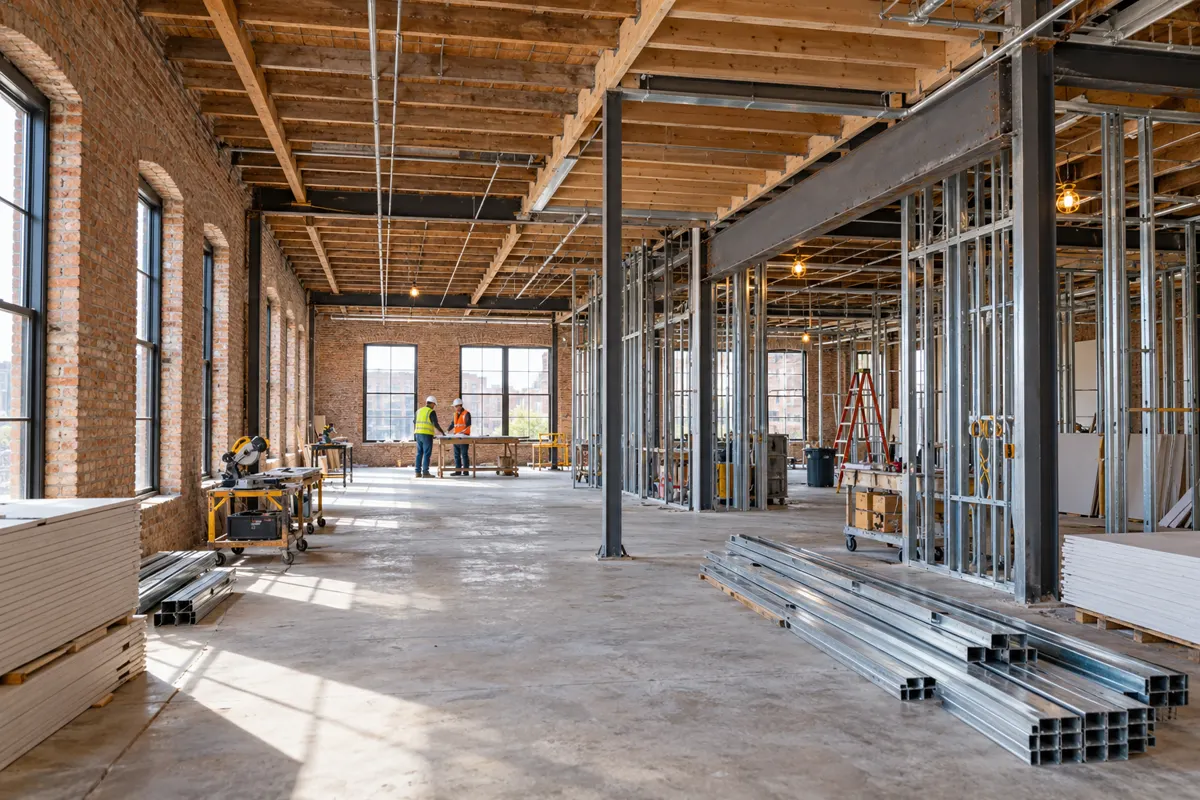
Commercial Building Renovation Insurance
Plan insurance for the existing building and new renovation work. BIG helps Minnesota and New Mexico owners compare commercial project coverage.
Read more →
Apartment Building Insurance Before Closing
Buying an apartment building in Minnesota or New Mexico? Compare building, rental income, roof and lender requirements with Burch Insurance Group.
Read more →