Commercial Property
Commercial property insurance cost in Minnesota: compare the quote behind the price
Compare Minnesota commercial property insurance costs with the coverage behind the price: building values, roof terms, deductibles and available markets.
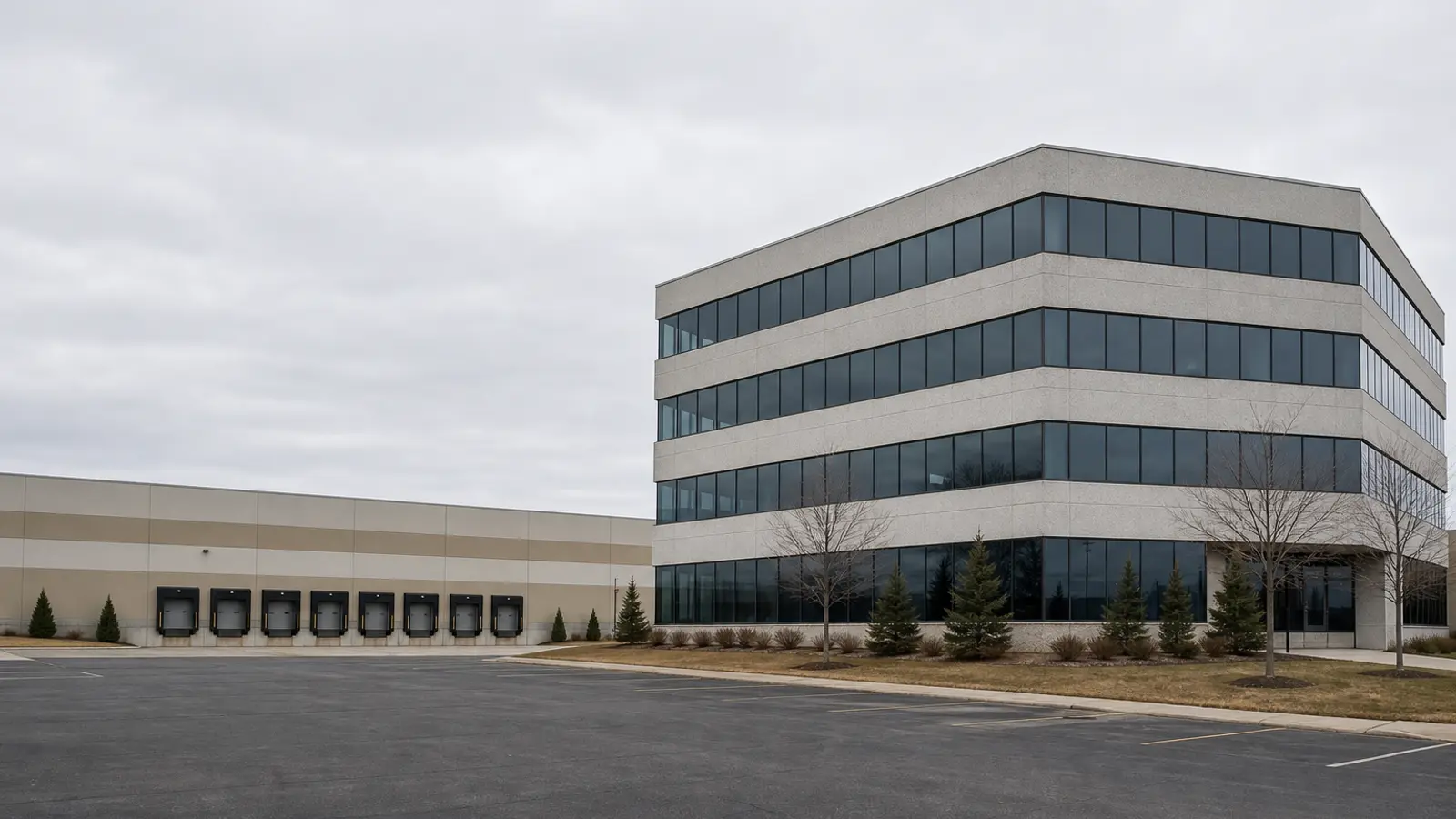
Commercial property insurance cost in Minnesota depends on the building, its use, insured values, loss history and the coverage terms being offered. A statewide average or a price per square foot cannot tell you what an individual building will cost to insure. The useful comparison is a set of available proposals based on accurate property information and consistent coverage assumptions.
Burch Insurance Group helps Minnesota commercial property owners compare insurance across a broad spectrum of markets. If your premium increased, you are buying a property or you have improved the building, we can review the facts and explore whether another available option provides a better fit.
Is commercial property insurance becoming more competitive?
There is evidence of softer national commercial property pricing. The Council of Insurance Agents & Brokers reported an average commercial property premium decrease of 6.3% in its second-quarter 2026 survey. That creates a reason to review available options, especially when an owner has received an increase or has not compared the market recently.
The survey is not a Minnesota rate index or a promise that your building's premium will fall. Individual properties can still face increases, changing deductibles or underwriting conditions. Liability and excess coverage can also move differently from property coverage within the same insurance program.
Homeowners insurance headlines should not be used as a substitute for a commercial building analysis. The building's construction, use, condition and available commercial markets are the facts that matter to your comparison.
What affects a Minnesota building's insurance cost?
Insurers evaluate factors such as construction type, square footage, occupancy, roof and system condition, protection features, location and prior losses. Insured values, valuation provisions, deductibles and selected coverage also affect the offer.
A well-documented roof replacement or electrical update may help explain the current risk. It does not guarantee a particular price. Similarly, two buildings with the same purchase price can have very different reconstruction costs and insurance characteristics.
For a landlord, include the tenant uses and rental income exposure. For a vacant or renovating building, disclose that condition from the start. A quote based on normal occupancy is not a meaningful comparison if the property is actually awaiting a major remodel.
How much can a deductible change the comparison?
Consider this hypothetical comparison. Both proposals describe the same $3 million building value, but their wind and hail deductibles differ. The premiums below are illustrations, not market quotes.
| Item | Proposal A | Proposal B |
|---|---|---|
| Annual premium | $18,000 | $15,500 |
| Wind and hail deductible | $10,000 flat | 2% of the $3 million building value |
| Deductible in this example | $10,000 | $60,000 |
| Annual premium difference | Reference | $2,500 lower |
Proposal B saves $2,500 in annual premium but carries a $50,000 higher deductible for the illustrated loss category. That does not automatically make it a poor choice. It means the owner should knowingly evaluate the additional retained exposure. Actual percentage deductibles can use different values and apply differently by building or occurrence; read the proposal's terms.
Compare more than the building limit
Confirm whether the building and roof are insured on replacement cost, actual cash value or another specified basis. Review roof-specific provisions, coinsurance, ordinance or law, water-related coverage and any protective requirements.
For income-producing property, compare rental or business income coverage, including the trigger, waiting period, amount and time provisions. A cheaper offer with less income protection may create a very different result after a covered loss.
Also review fees, payment terms and any conditions that must be satisfied before or after binding. If an insurer requires repairs, those costs and deadlines belong in the decision.
What information should I gather for an accurate quote?
Start with the address, ownership entity, current policy and renewal or closing date. Add building size, construction, occupancy, roof and system updates, rental income information and available loss history. Send inspection reports and improvement records when available.
You do not need a perfect file before contacting BIG. We can identify the information needed for the markets being considered. A consistent submission helps avoid comparing prices based on different assumptions about the same building.
When is it worth shopping the policy?
A renewal increase, new purchase, major improvement, occupancy change or significant coverage change can justify a review. Start while there is time to answer underwriting questions and compare the actual terms. Waiting until the policy expires can narrow your practical options.
Broad market access is useful because commercial properties do not all fit the same insurer appetite. BIG can explore available approaches and explain the tradeoffs. Savings depend on the property and offers available; the decision should improve the fit of the insurance, not merely lower the first number on the page.
Request a Minnesota commercial property insurance comparison, or call 612-712-6407.
Sources: CIAB Q2 2026 market survey and Minnesota Commerce property insurance guidance.
Sources
- CIAB Q2 2026 P&C Market Survey (checked 2026-10-16)
- Minnesota Commerce: property insurance (checked 2026-10-16)
Related resources
Continue reading

Apartment Insurance Premium Increase? Compare Options
Compare apartment building insurance after a premium increase. BIG reviews available markets, roof terms, deductibles and rental income coverage.
Read more →
Insurance for Older Commercial Buildings
Compare insurance for an older commercial building using documented updates, roof and valuation terms, ordinance or law coverage and deductibles.
Read more →
Commercial property costs in New Mexico
Review the factors that influence your building insurance and the questions to ask at renewal.
Read more →