Commercial Property
Can one insurance limit cover several commercial buildings?
Compare blanket and separate commercial building insurance limits, location restrictions and rental income before renewing a property portfolio.
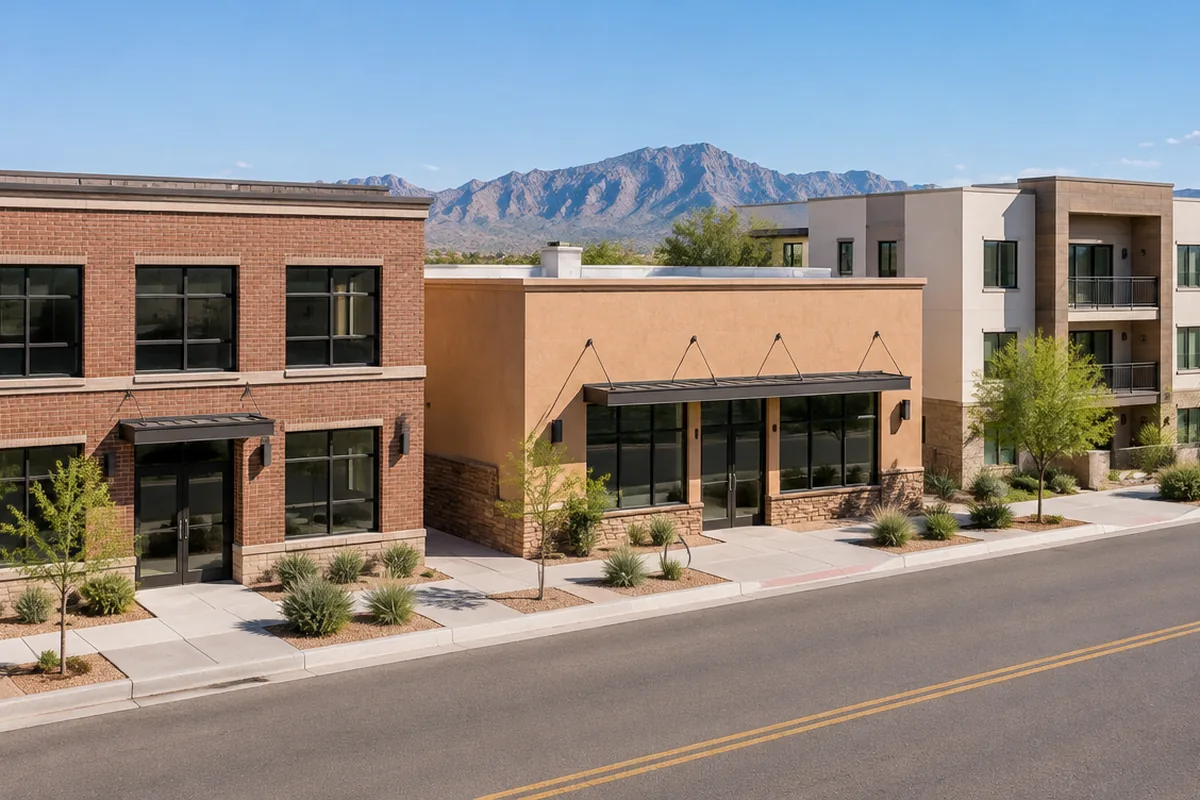
If you own more than one commercial building, you may be offered separate limits for each property or a blanket limit shared across covered locations. Neither arrangement is automatically better. The useful comparison is how much coverage can respond at each building, which property shares the limit and what restrictions remain in the policy.
Burch Insurance Group helps commercial property owners compare those arrangements alongside price, deductibles and rental income protection. Bring the current policies and location schedule. We can review available options across a broad spectrum of markets without assuming that combining buildings will lower the premium or improve every term.
Separate limits and a shared limit work differently
With a specific building limit, the policy identifies an amount applying to that building. Insuring several buildings on one policy does not necessarily make the coverage blanket. A single policy can still contain separate amounts for separate locations.
A blanket limit can apply across more than one insured building or category of property. Read what is actually included. Buildings, business personal property and rental income do not necessarily share the same limit or terms.
The location schedule still matters. It describes the properties and values used for the arrangement; a blanket heading is not permission to leave values outdated or omit a building.
The largest number may not be available at every location
Suppose a fictional owner has three buildings and a proposal showing a $9 million blanket limit. That number alone does not establish that any one building could receive $9 million after a loss.
A margin clause or another location restriction may limit recovery by reference to the value reported for the damaged property. For illustration, a provision capped at 120% of a reported $2 million value would produce a $2.4 million cap under that provision. That is a hypothetical calculation, not a quote or a claim-payment prediction. Deductibles, covered causes of loss, valuation, other limits and the actual wording still apply.
Ask the agent to identify restrictions in the quote and forms, not simply describe the program as blanket coverage. A lower price is easier to evaluate when you can see which risk remains with you.
Consider one event affecting more than one building
Buildings close together can be affected by the same storm or fire. Discuss how the shared limit, any catastrophe sublimits and the deductible would apply to the locations involved. Separate limits need the same practical review: the amount at one building should not be assumed available to another.
For rental property, ask separately how income coverage is arranged. Repairing the structure and replacing lost rent are different parts of the financial recovery. Confirm which locations, amounts and time provisions apply rather than assuming the building arrangement answers the income question.
Check lender and ownership requirements before changing the program
Give BIG the ownership name, lender requirements, use and current insurance for each building. Explain any planned acquisition, renovation or vacancy. Different ownership entities and financing arrangements need to be addressed explicitly.
An insurer's willingness to offer a program does not by itself establish that a lender accepts it. Have the proposed evidence and terms reviewed before cancelling or replacing coverage. Availability depends on the properties, states and underwriting.
Compare the whole arrangement with BIG
Send the location schedule, current policies and renewal date, along with the competing proposal if you have one. We can discuss the limits, location restrictions, deductible responsibilities and rental income coverage together.
Read our small commercial property portfolio guide and building-values worksheet for the records that help start that review.
Request a commercial property review, or call 612-712-6407. Tell us what you own and when you need a decision. We will help compare the available arrangements without treating a shared limit as a substitute for reading the policy.
Sources
- Freddie Mac Multifamily Seller/Servicer Guide, Chapter 31 (checked 2026-10-19)
Related resources
Continue reading
Insurance for a small commercial property portfolio
Own one or a few commercial buildings? Review property details, policies and renewal options together with Burch Insurance Group. Call 612-712-6407.
Read more →
Commercial building values: a worksheet for reviewing your insurance limit
Which building facts should I check before accepting the proposed property limit?
Read more →
Who covers the rent you lose after damage to a commercial building?
Review lost-rent coverage before renewing a commercial building policy. Compare rental value, lease obligations, limits and the time allowed for recovery.
Read more →