Commercial Property
Builders risk insurance for ground-up commercial construction
Compare builders risk for ground-up commercial projects in Minnesota and New Mexico, including project values, materials, delay and occupancy terms.
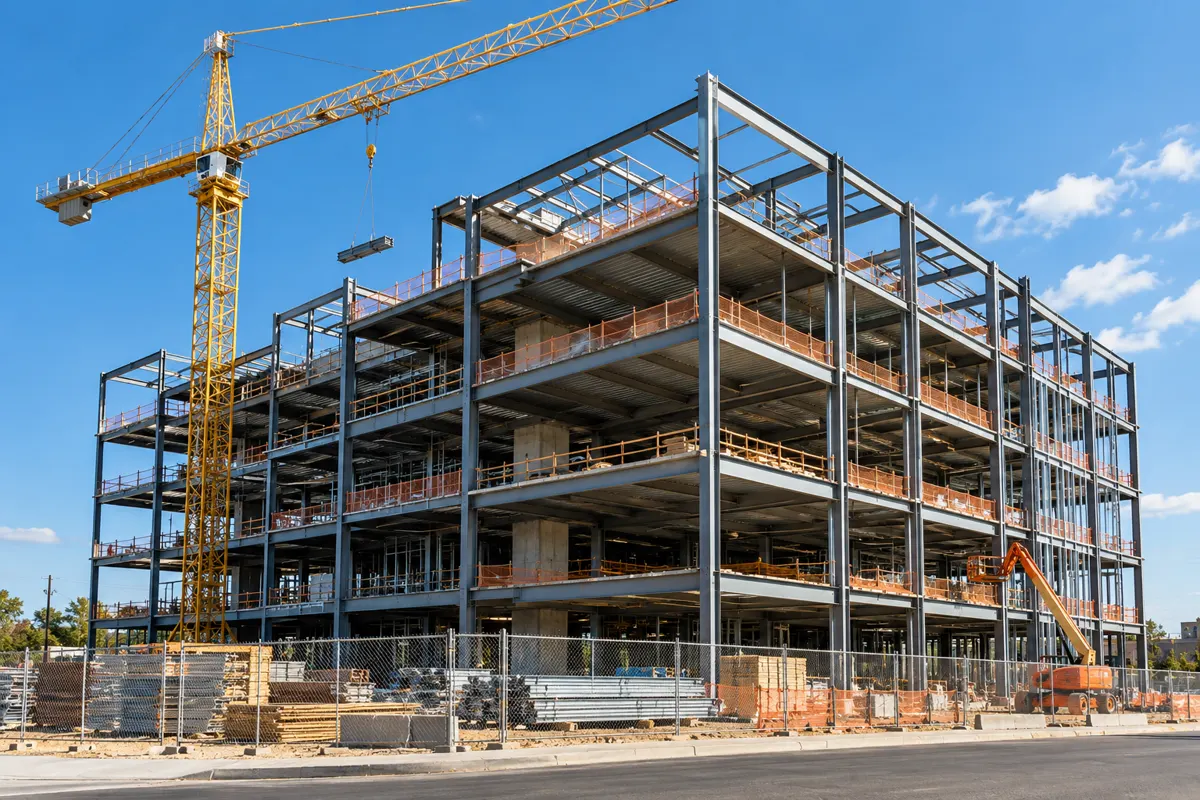
For a ground-up commercial project, builders risk insurance helps protect insured construction work and materials against covered physical loss during the project. The useful insurance decision starts with the construction contract, project values, site conditions and completion schedule. It should be coordinated before work and material deliveries create an exposure.
Burch Insurance Group helps owners, developers and companies undertaking medium to large commercial construction projects in Minnesota and New Mexico compare coverage across a broad spectrum of markets. We can review the insurance requirements alongside the project details, including who will buy the coverage and how it will transition when the building is ready to operate.
Who should buy builders risk: the owner or the general contractor?
The construction contract often assigns that responsibility. Either an owner-arranged or contractor-arranged program may be appropriate, depending on the contract and available coverage. The important point is that the responsible party, insured interests, values and policy terms are agreed upon rather than assumed.
If the general contractor is purchasing the policy, the owner should still understand what property and interests are covered, the deductible responsibilities and the conditions that could end coverage. If the owner is purchasing it, the contract's requirements for the contractor and other parties still need attention.
Do not assume a certificate stating that the contractor carries general liability includes builders risk. Liability insurance and coverage for damage to the construction project address different exposures.
What project value should the policy reflect?
Use a supported project valuation that fits the policy requirements, rather than copying a loan amount or the price paid for the land. Discuss the completed construction value, materials supplied by the owner, change orders and any separately covered costs with the broker.
Some project costs need specific coverage provisions. Financing-related expenses, professional fees, additional interest or delayed income should not be assumed to sit inside the basic building limit. Define the costs you want reviewed and ask which are available, under what triggers and with what limits.
A budget that changes during construction can require an insurance update. Establish who will notify the agency when significant change orders or schedule changes are approved.
Compare the coverage around the way the project will be built
| Project detail | Insurance question |
|---|---|
| Materials delivered early | When does coverage attach, and where can materials be stored? |
| Off-site storage or transit | Are these exposures included, with what limits and conditions? |
| Owner-supplied equipment | Is equipment intended to become part of the building included in the stated values? |
| Site theft, fire and water damage | Which causes of loss, exclusions and protection conditions apply? |
| Flood or earthquake exposure | Is separate or additional coverage needed? |
| Delay after covered damage | What soft costs or income are insured, and what waiting period applies? |
| Phased turnover or early occupancy | Does the policy permit it, and what event ends coverage for each portion? |
The contractor's tools and mobile equipment should be reviewed separately. Equipment that will permanently become part of the finished building presents a different question from machinery used to construct it.
Delay coverage needs a specific discussion
If a covered fire delays completion, an owner may face expenses beyond rebuilding the damaged work. A project intended to generate rent may also face a later opening date. Some builders risk arrangements offer coverage for specified soft costs or delayed income, subject to their own limits and conditions.
That does not mean every delay is covered. A project taking longer because of ordinary scheduling problems or an uncovered event is different from delay caused by insured physical damage. Review the actual trigger, waiting period, measurement of loss and maximum recovery period before treating delay coverage as part of the financing plan.
A complete project submission gives markets a clearer decision
For an initial review, BIG will need the project location, intended use, ownership and contractor information, construction type, budget, timeline and contract insurance requirements. Plans, site protection details and information about adjacent exposures can help resolve underwriting questions.
Tell us about phased construction, expected tenant occupancy, unusual materials, large off-site purchases and any work already underway. These details can affect both availability and the suitability of the quote.
Broad market access is useful when the project does not fit a simple standard submission. The goal is to compare viable coverage approaches, not collect prices based on different descriptions of the same job.
Keep construction and operating insurance connected
Arrange the permanent property and liability program before the construction policy reaches its termination trigger. A scheduled expiration date is not the only condition that may matter; completion, acceptance, occupancy and other policy provisions can affect the transition.
If a tenant will occupy one part while work continues elsewhere, review that plan before the move-in. If completion is delayed, request any necessary extension early. Insurer approval and revised terms may be required.
Bring BIG into the project before the deadline
Request a commercial builders risk review, or call 612-712-6407. Include the address, project use, estimated completed value and anticipated start date.
If the project changes an existing building, say so. A renovation requires a separate review of the structure already standing as well as the new work. We can help compare the arrangement that fits the project you are actually undertaking.
Sources
- NASBP: builders risk insurance (checked 2026-10-16)
Related resources
Continue reading
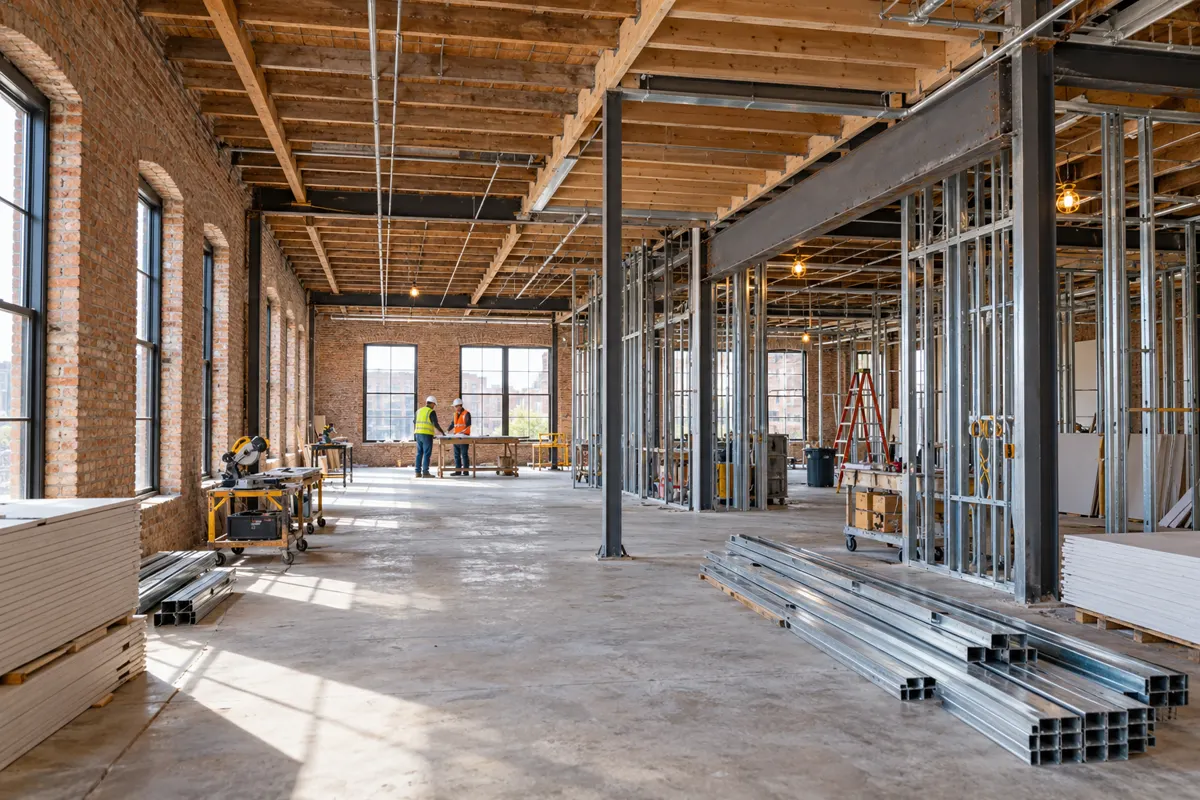
Commercial Building Renovation Insurance
Plan insurance for the existing building and new renovation work. BIG helps Minnesota and New Mexico owners compare commercial project coverage.
Read more →
Commercial building values: a worksheet for reviewing your insurance limit
Which building facts should I check before accepting the proposed property limit?
Read more →