Commercial Property
Commercial building renovation insurance: cover the existing building and the work
Plan insurance for the existing building and new renovation work. BIG helps Minnesota and New Mexico owners compare commercial project coverage.
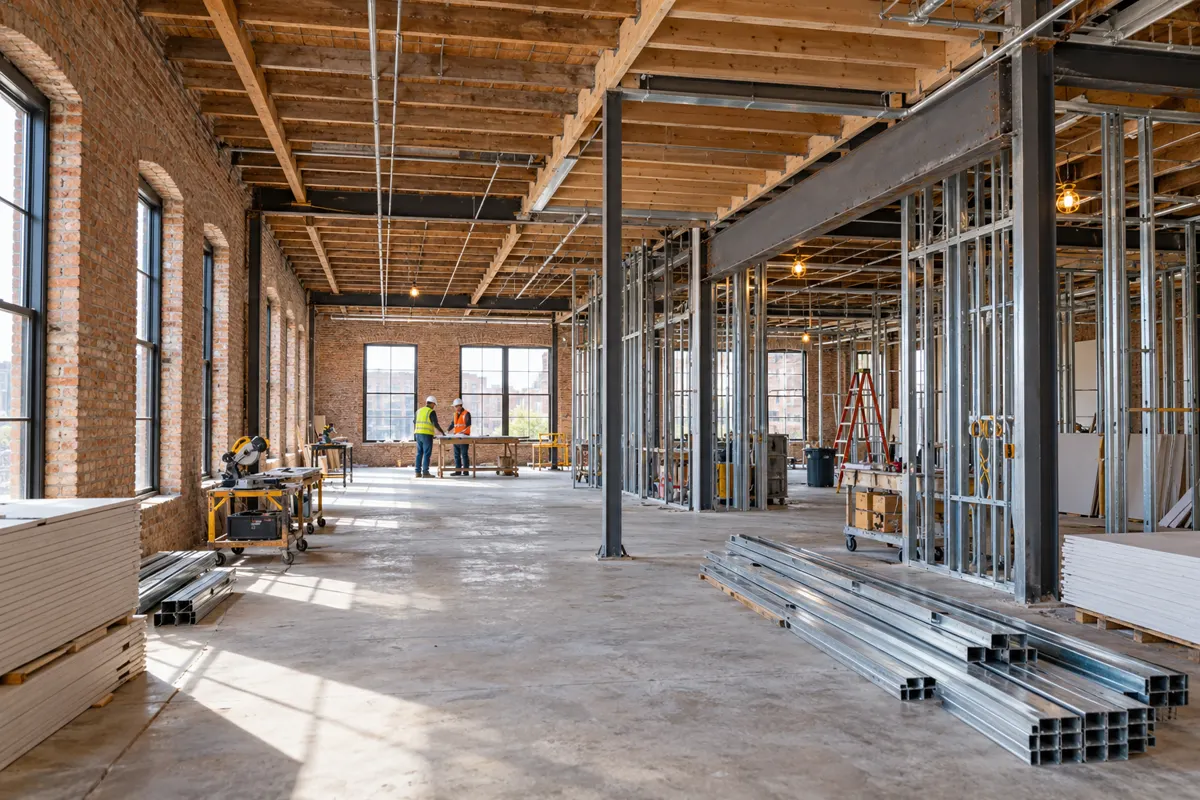
A major commercial renovation can put two different values at risk: the building already standing and the work being added to it. Before construction begins, confirm which policy covers each. Builders risk insurance may cover the renovation work without automatically covering the existing structure, while an ordinary property policy may restrict the renovation activity you are planning.
Burch Insurance Group helps commercial property owners and companies undertaking substantial renovation projects in Minnesota and New Mexico compare insurance for the building, project and transition back to normal operations. Start with the scope of work, construction budget, occupancy and expected dates. We can help identify where the existing property coverage and proposed construction coverage need to meet.
Does my current commercial property policy cover a renovation?
It depends on the policy and the work. Painting offices is a different exposure from removing a roof, replacing structural supports, changing occupancy or opening walls throughout a building. Do not assume that an insurer's acceptance of routine maintenance also covers a major remodel.
Describe the project to your agent before work starts. Include structural changes, demolition, roof openings, fire protection interruptions, hot work, utility changes and whether tenants will remain. Ask for confirmation of how the insurer will treat the actual scope, including any required endorsement or separate policy.
Renovation insurance is not just a percentage of the construction budget
A useful submission distinguishes the existing building value, the cost of the new work and the expected completed value. The project budget may include costs that need separate treatment, and the value of the existing structure can be much greater than the renovation contract.
Consider an illustrative project: an owner plans $2 million of work on an existing commercial building valued at $6 million for insurance purposes. A proposal showing $2 million of renovation coverage does not by itself establish that the $6 million structure is insured. The quote and forms must make that relationship clear. These figures are an example, not a recommended valuation method.
Put the main exposures in writing
| Exposure | Question to resolve |
|---|---|
| Existing structure | Is it covered under the ongoing property policy, the construction policy or another arrangement? On what basis? |
| New work and materials | Which work, materials, storage locations and transit exposures are included? |
| Occupied areas | Has the insurer accepted continued tenant or business occupancy during construction? |
| Temporary vacancy | Will unoccupied portions or a full shutdown affect coverage? |
| Project delay | Is any soft cost or delay coverage included, and what covered event must trigger it? |
| People and liability | Which owner, contractor and project liability policies apply? |
Builders risk addresses covered physical loss to insured project property. It does not replace the contractor's general liability, workers compensation or other liability insurance. Those policies have different jobs, and a certificate alone does not establish that all project obligations have been satisfied.
Occupied renovations need particular attention
A building may remain partly occupied while a contractor works on another floor or wing. Explain how the work areas will be separated, how fire protection will operate and how tenants will enter and exit. If the schedule changes, the insurance arrangement may need review as well.
For an income-producing property, discuss both the rental income exposure and the construction delay exposure. They are not interchangeable. Coverage for loss of rental income following covered damage to an operating building may differ from coverage for delayed completion of planned work.
An ordinary scheduling delay, cost overrun or contractor performance problem should not be treated as an automatically insured loss. Ask what event triggers the proposed delay protection, what waiting period applies and which expenses or income are actually included.
Coordinate the owner's and contractor's responsibilities
Before signing off on the insurance arrangement, identify who is responsible for purchasing builders risk under the construction contract and whose interests must be protected. Confirm the owner, lender, general contractor and other parties are addressed in the manner required by the contract and the policy.
Contract wording and insurance wording must work together. If the contractor says the project is covered, ask to review the actual coverage information with your agent rather than relying on the phrase “fully insured.” This is especially important when the owner expects the existing structure to be covered by the contractor's project policy.
What information helps BIG compare the project?
Bring the address, ownership entity, current policy, project description, itemized budget and anticipated start and completion dates. Include plans or specifications when available, the general contractor's information, construction contract insurance requirements, and details of occupied or vacant areas.
For an older building, disclose known condition issues and planned system upgrades. For a project already underway, say so immediately; do not describe it as a future start. Available options and underwriting requirements can change once construction has begun.
Plan the move from construction to operation
Completion, acceptance, occupancy or another policy-defined event can affect when construction coverage ends. Coordinate permanent property coverage before that point. Partial occupancy and phased completion deserve explicit review rather than an assumption that the original expiration date controls everything.
Tell BIG when the schedule or scope changes so we can review the insurance implications and seek any needed changes. Extensions and revised terms require insurer approval; they should not be assumed.
Ask BIG to review your commercial renovation insurance, or call 612-712-6407. Include the project address, approximate budget and start date. Our broad market access helps us compare approaches for the actual building and work, rather than force every renovation into the same policy.
Sources
- US Assure: project and property insurance (checked 2026-10-16)
- US Assure: project and property insurance (checked 2026-10-16)
- NASBP: builders risk insurance (checked 2026-10-16)
Related resources
Continue reading
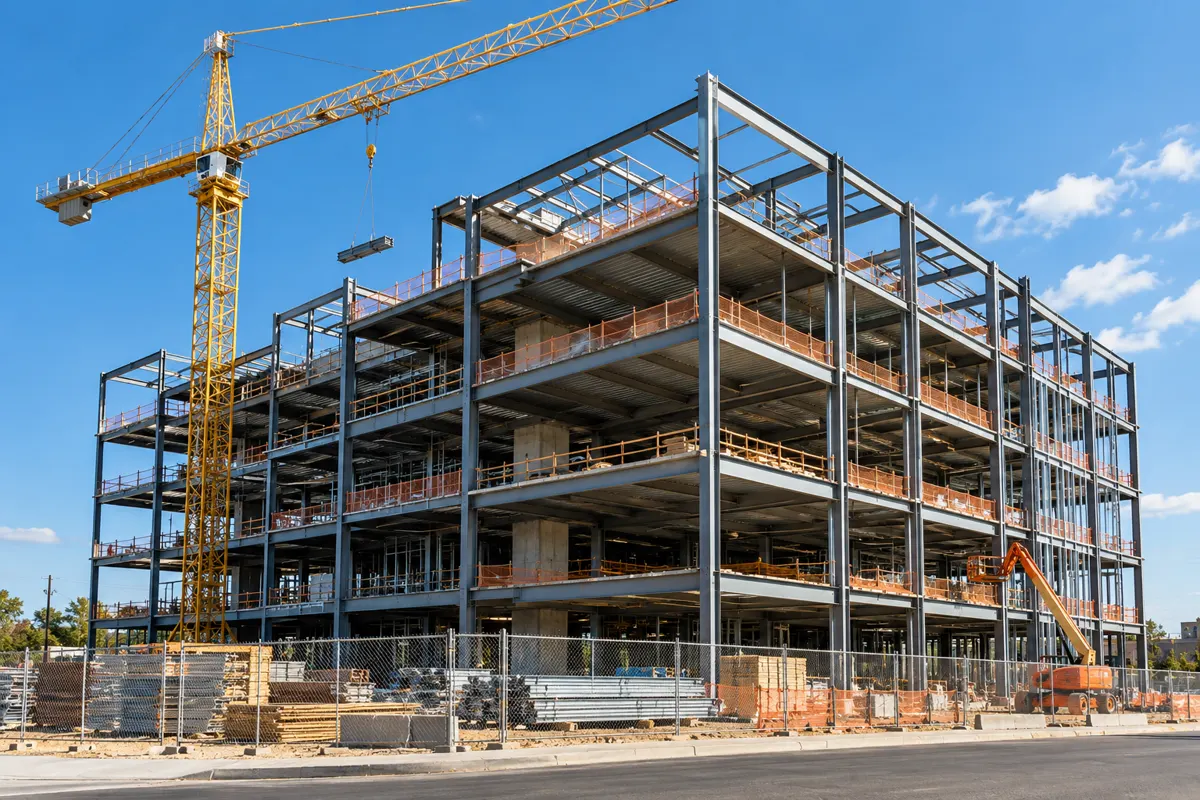
Commercial Construction Builders Risk Insurance
Compare builders risk for ground-up commercial projects in Minnesota and New Mexico, including project values, materials, delay and occupancy terms.
Read more →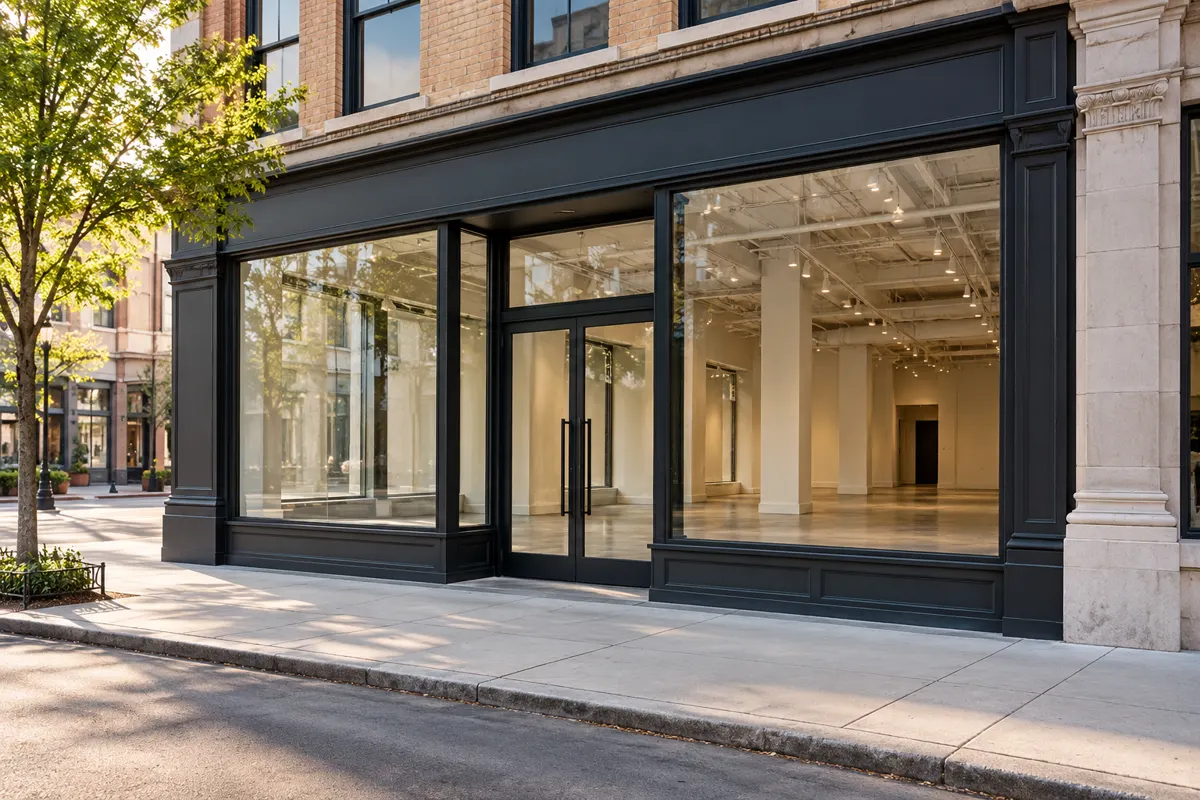
Vacant Commercial Building Insurance
Compare insurance while a commercial building awaits renovation or tenants. BIG helps owners coordinate vacancy, construction and return to occupancy.
Read more →
Insurance for Older Commercial Buildings
Compare insurance for an older commercial building using documented updates, roof and valuation terms, ordinance or law coverage and deductibles.
Read more →