Commercial Property
Buying a commercial or apartment building in California? Insurance to line up before closing
Commercial building insurance before closing in California: what lenders ask for, when earthquake coverage comes up and what to bind for an apartment complex.
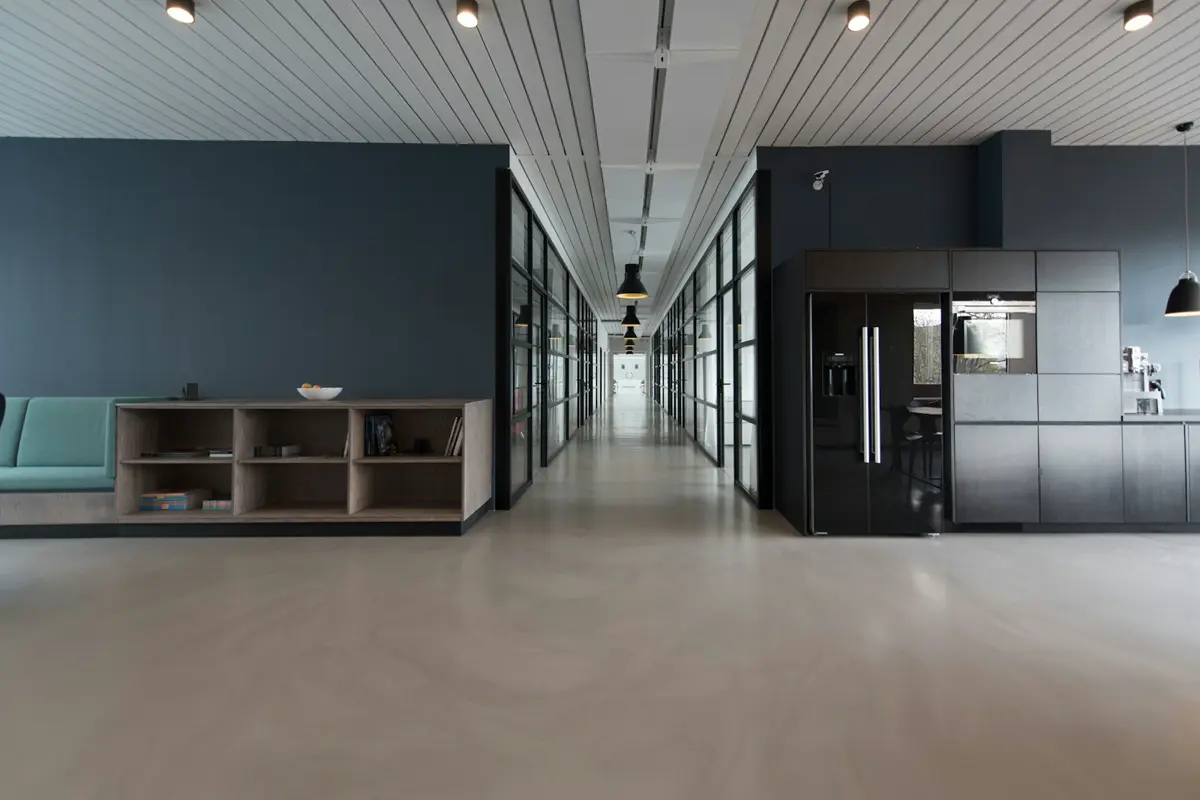
Before you close on a California commercial or apartment building, you need property coverage on the building, loss of rents or business income, and general liability, all bound in the name of the entity taking title and effective on the closing date, with your lender named as mortgagee. In California two questions often decide the quote and the timeline: whether a standard insurer will write the building at all, and whether your lender's seismic review means you need earthquake coverage. Find out both while you are still in due diligence.
Burch Insurance Group quotes commercial building and multifamily insurance for buyers across California. Licensed in California, License #4375165.
or call 612-712-6407. Send the address, building type, unit count and closing date.
What to have in place on closing day
| Coverage | Why it matters in California | Ask about |
|---|---|---|
| Building property | The lender's collateral | Whether a standard insurer will write it, or only a surplus lines insurer or the FAIR Plan |
| Loss of rents or business income | Pays lost rent while covered damage is repaired | How many months, and whether it also applies under any earthquake policy |
| General liability | Tenants and visitors in common areas | Parking, stairways, balconies, pools and laundry rooms |
| Earthquake | Usually excluded from the property policy | Whether the lender requires it, and the deductible you can afford |
| Umbrella or excess liability | Claims above the liability limit | The limit the lender or your partners require |
Ask the lender for its written insurance requirements as soon as you are under contract. They set the limits, the deductibles it will accept and how it must be named.
Will the lender require earthquake insurance?
It depends on the lender and on the building's seismic review. Many commercial and multifamily lenders order a seismic risk assessment during due diligence, which estimates the share of the building's value an earthquake could destroy. Fannie Mae's multifamily guide is one example: it expects a seismic loss estimate (SEL) of 20% or less. Above 20%, or with a building stability issue, the lender must work out acceptable mitigants with Fannie Mae, and buying earthquake insurance is one of the options listed. Fannie Mae will not take a loan where any building has an SEL above 40%.
Other lenders set their own rules. Get the seismic report and the lender's earthquake requirement early, because earthquake coverage is quoted separately and can change your numbers. Even if the lender does not require it, decide on purpose whether you want it. Our California commercial property cost guide shows how an earthquake deductible works.
Older wood-frame apartments with parking underneath
If you are buying in Los Angeles, check whether the building falls under the city's mandatory soft-story retrofit program. It covers wood-frame buildings of two or more stories, built under codes in effect before January 1, 1978, with ground-floor parking or similar open space. It does not apply to residential buildings with three or fewer units. Ask the seller for the retrofit permit and sign-off. Underwriters and lenders ask about seismic strengthening on these buildings, and a completed retrofit is a record you want in hand before you quote.
Find out early who will write the building
Some California buildings, especially near brush or in areas with recent wildfire losses, cannot be placed with a standard insurer. The options then are a surplus lines insurer, the California FAIR Plan with separate coverage for what it leaves out, or a mix. Each has different terms, and not every lender accepts every arrangement. Ask us for an early indication as soon as you have the address, roof age and construction, so you are not finding this out two weeks before closing. The cost guide and our California commercial building quote page explain each option.
A timeline that works
- As soon as you are under contract: send us the address, building type, unit count, year built and roof age. Ask the lender for its insurance requirements.
- During due diligence: get five years of loss history from the seller, the seismic report, any retrofit records, and roof and electrical updates.
- Two to three weeks before closing: compare proposals, including earthquake if needed, and confirm they meet the lender's requirements.
- Before closing day: bind coverage effective on the closing date and send evidence of insurance to the lender and escrow.
How we review it with you
We read the lender's requirements, the seismic report and each proposal line by line, and tell you plainly what each one covers, what it leaves out and what you would pay after a fire or an earthquake. You choose with the terms in front of you, before closing.
Request a California building quote, or call 612-712-6407. Include the address and closing date.
Burch Insurance Group is licensed in California, License #4375165.
Frequently asked questions
Can I take over the seller's insurance?
No. The seller's policy ends with the seller's ownership. You need your own policy in the name of the entity taking title.
Is the building limit the same as the purchase price?
No. The price includes land and income. The limit should reflect the cost to rebuild. Our agreed value and coinsurance guide explains why that matters.
Does earthquake insurance cover loss of rents?
Only if the earthquake policy includes it. Ask for it by name when you quote earthquake.
Will my lender accept a quote at closing?
Lenders generally need confirmation that coverage is bound. A quote is not coverage.
Sources
- Fannie Mae Multifamily Guide, Section 505.03 Acceptable Levels of Seismic Risk (checked 2026-11-20)
- Fannie Mae Multifamily Guide, Section 505.05 Seismic Risk Mitigants (checked 2026-11-20)
- Los Angeles Department of Building and Safety, Soft-Story Retrofit Program (checked 2026-11-20)
Related resources
Continue reading
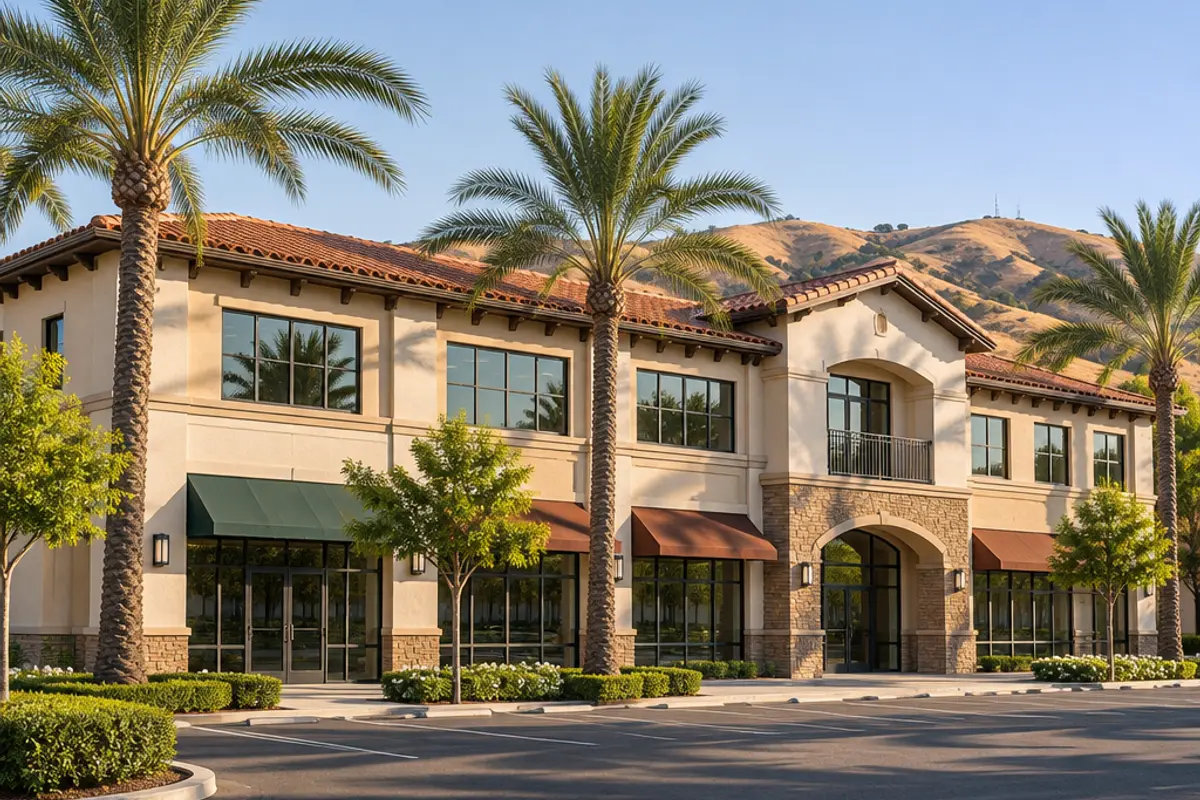
Commercial Property Insurance Cost in California
What shapes a California commercial building's insurance cost: wildfire exposure, surplus lines and FAIR Plan options, earthquake and deductibles.
Read more →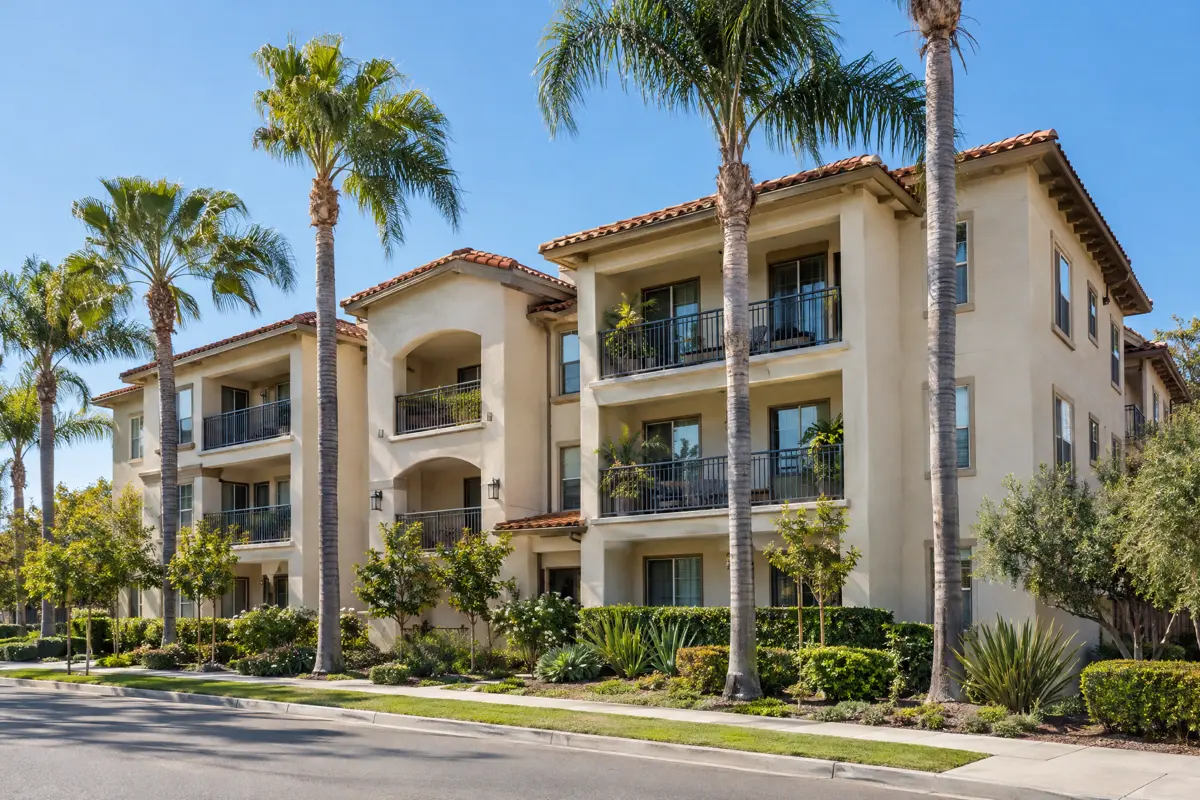
My California commercial building was nonrenewed. What should I do?
California commercial property nonrenewal? See the 60 to 120 day notice rule, what to send first and how standard, surplus lines and FAIR Plan quotes compare.
Read more →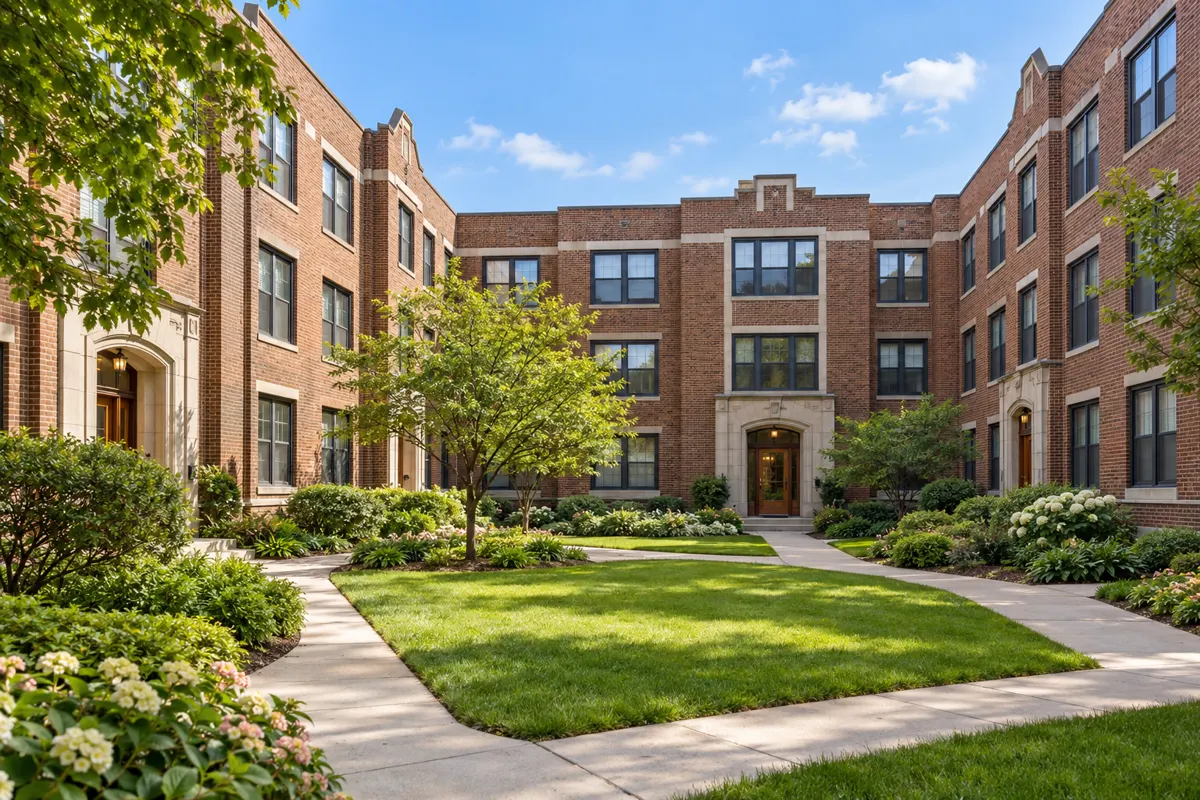
Apartment Building Insurance Before Closing
Buying an apartment building in Minnesota or New Mexico? Compare building, rental income, roof and lender requirements with Burch Insurance Group.
Read more →
Buying a commercial building in Minnesota: what to gather before closing
What does the agent need to review insurance for a pending purchase?
Read more →