Auto Dealers · answer
What should a Minnesota used car dealer prepare for an insurance quote?
Prepare one consistent submission with dealership operations, locations, inventory values, drivers, loss history and current policies. Separate vehicles for sale from customer vehicles in your care, and identify repair, towing or other operations before asking markets to quote.
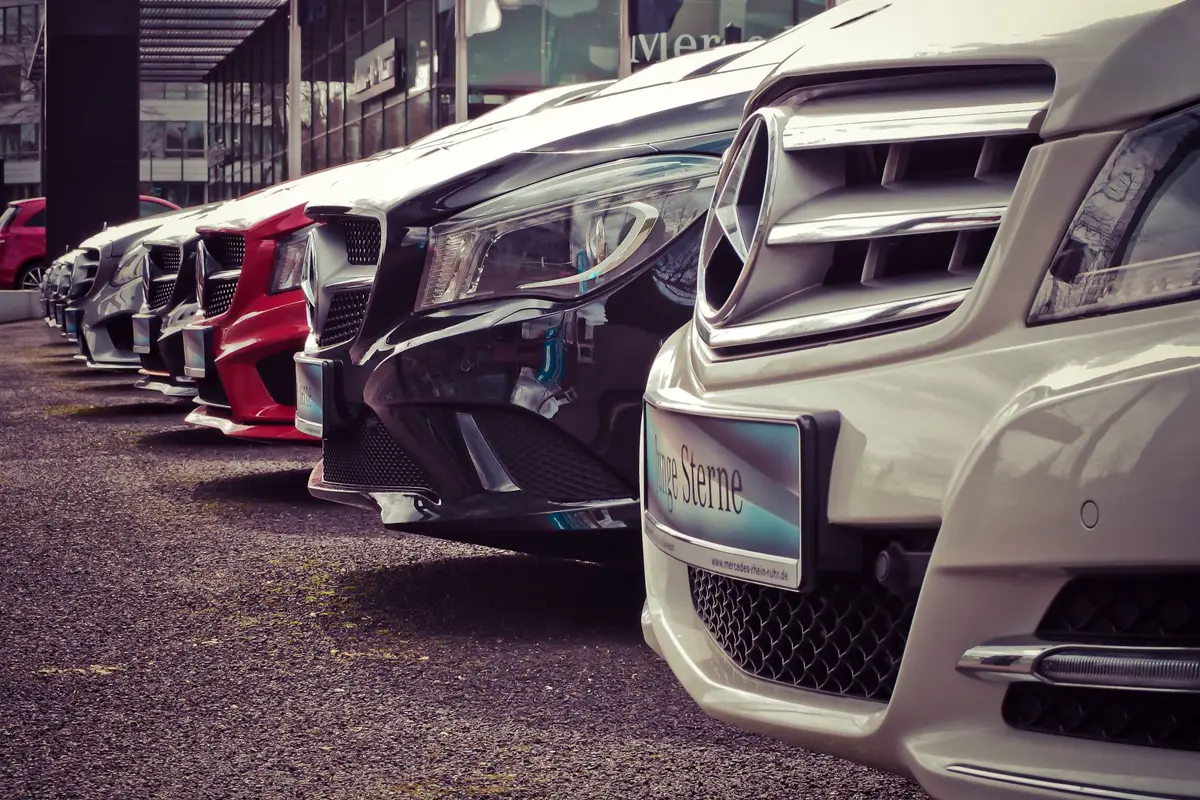
A useful dealer submission explains how the business actually operates. Two dealerships with the same annual sales can have very different vehicle values, lot security, test-drive practices and service operations. Prepare the facts once so the agent can ask consistent questions across markets.
Start with the business and every location
List the legal business name, trade name, operating history and each address used for sales, storage or service. Identify ownership or lease arrangements and any additional entity involved. Describe retail sales, wholesale activity, consignment, customer repairs, transport, repossession or towing separately. A one-line description such as “used cars” leaves important work unexplained.
Prepare current declarations, endorsements and the loss history requested by the quoting markets. Identify changes since the last application, including a new lot, a new service bay, increased inventory or different vehicle types. Mark unknown facts for confirmation instead of estimating them without explanation.
Build a clear vehicle and value schedule
- Average and peak number of vehicles at each location
- Typical and maximum individual vehicle values
- Total inventory values and seasonal changes
- Owned, financed and consigned inventory identified separately
- Vehicles stored indoors, outdoors or at another address
- Transport between lots, auction pickup and delivery arrangements
- Keys, fencing, lighting, cameras and overnight access procedures
Ask how the proposed policy handles inventory valuation, reporting requirements, deductibles and losses affecting multiple vehicles. Do not assume the limit printed beside one vehicle description is the total protection available for the lot.
Describe drivers and customer use
Provide the driver information the market requests through an approved secure route. Explain employee use, owner use, test drives, loaners and take-home vehicles. Describe who verifies a customer's license and how a test drive is supervised. These are questions to discuss with the agent, not a statement that one universal procedure satisfies every insurer.
Keep customer vehicles separate from dealership stock. Progressive's garagekeepers explanation describes protection for customer vehicles left with a covered business for service or storage, subject to its terms. That is a different question from damage to inventory the dealership owns. Ask the agent to show how the proposed contracts address both exposures where they exist.
Include the work beyond the sales lot
If the dealership performs repairs, give the type of work, equipment, payroll and subcontracted operations. If it tows vehicles, identify the trucks, service area and what is transported. Describe buildings and business property separately from autos. The Minnesota Department of Commerce explains that business property includes several asset categories; a vehicle-focused discussion should not leave the office, tools or building unexamined.
Insurance also does not replace sales-law compliance. The FTC's Used Car Rule guidance addresses Buyers Guides and warranty disclosures. Keep those compliance questions distinct from a policy quote and use current regulator guidance for the business's circumstances.
Compare the complete proposals
Ask for the named insureds, covered operations, locations, limits, valuation terms, deductibles and material exclusions in one comparison. Clarify what still requires underwriting approval and what documents are needed before coverage can be bound. A certificate request or a submitted application is not itself proof that coverage has started.
Use BIG's garage and dealer insurance page to begin the review. BIG can review the submission and available market options; coverage and pricing depend on the specific risk and underwriting.
Frequently asked questions
Does garagekeepers coverage replace insurance on cars a dealer owns?
Do not assume that it does. Customer vehicles in the business’s care and dealership-owned inventory are different exposures. Ask the agent to identify how each proposed policy applies.
Can a dealer compare quotes using premium alone?
Compare the insured entities, operations, locations, limits, valuation terms, deductibles and exclusions as well as premium. A lower price can reflect a different scope of coverage.
Sources
- Progressive: Garagekeepers Legal Liability Insurance (checked 2026-09-18)
- Minnesota Department of Commerce: business property insurance (checked 2026-09-18)
- FTC: Dealer’s Guide to the Used Car Rule (checked 2026-09-18)